With its shimmering turquoise waters, red-roofed medieval towns, dramatic coastal mountain ranges, and over 1,000 sun-drenched islands, Croatia is one of Europe’s premier vacation destinations. Sitting on the crossroad of Central Europe and the Mediterranean, this Balkan gem seamlessly blends ancient Roman history, Venetian architecture, rich culinary traditions, and untouched natural beauty.
Whether you want to walk through historic filming locations, sail across the Adriatic Sea, hike around cascading waterfalls, or sample world-class wines in coastal vineyards, Croatia offers an unforgettable escape.
If you are planning a trip and wondering where to go, this comprehensive travel guide covers the 10 best places to visit in Croatia, along with hidden gems, island-hopping road trip itineraries, and essential travel tips to help you build your ideal itinerary.
Quick Overview: Top Croatia Destinations
| Destination | Best Known For | Recommended Stay |
| Dubrovnik | Ancient City Walls, Old Town, Coastal Views | 2–3 Days |
| Split | Diocletian’s Palace, Roman History, Island Hub | 2 Days |
| Plitvice Lakes | Cascading Waterfalls, Turquoise Lakes, Nature | 1 Day |
| Hvar Island | Nightlife, Yacht Culture, Lavender Fields | 2–3 Days |
| Rovinj & Istria | Venetian Architecture, Truffles, Wineries | 2–3 Days |
| Zadar | Sea Organ, Sunsets, Roman & Venetian Ruins | 1–2 Days |
| Korčula Island | Medieval Walled Town, White Wine, Beaches | 2 Days |
| Krka National Park | River Waterfalls, Boat Tours, Historic Monasteries | 1 Day |
| Zagreb | Austro-Hungarian Streets, Museums, Cafe Culture | 1–2 Days |
| Vis Island | Blue Cave, Hidden Cove Beaches, Laid-Back Vibe | 2 Days |
1. Dubrovnik: The Pearl of the Adriatic
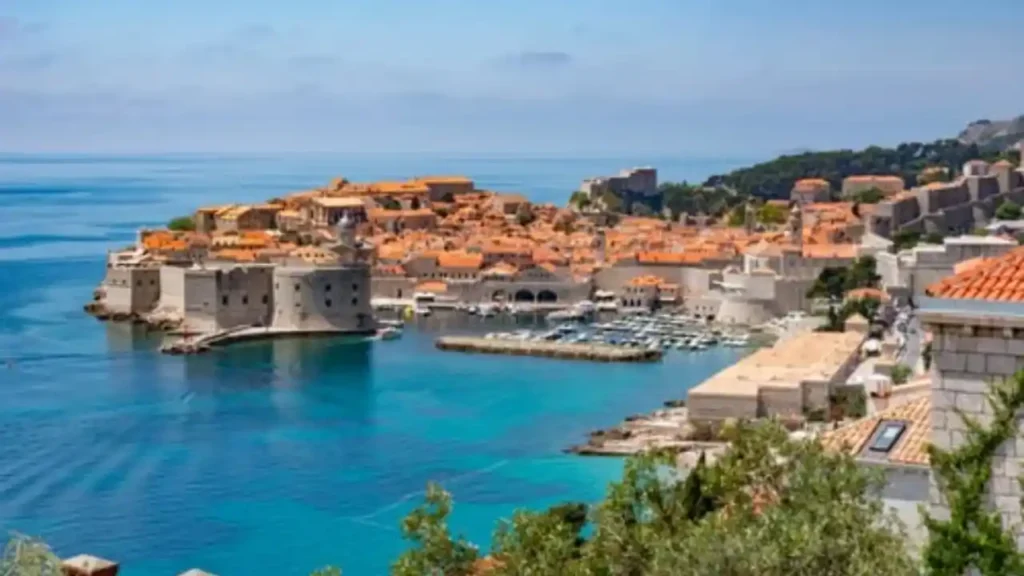
Perched on the southern tip of Croatia’s Adriatic coast, Dubrovnik is arguably the country’s most famous destination. Enclosed by massive stone walls completed in the 16th century, its UNESCO-listed Old Town is a fairytale maze of marble-paved streets, Baroque churches, and grand palaces.
Top Things to See and Do in Dubrovnik:
- Walk the Ancient City Walls: Hike the full 1.2-mile (2 km) loop along the top of the medieval fortress walls for breathtaking views over the terracotta rooftops and the deep blue sea.
- Explore the Stradun: Stroll down the polished limestone main street of the Old Town, lined with bustling cafes, boutique shops, and historical monuments.
- Ride the Dubrovnik Cable Car: Take a quick ride up to the top of Mount Srđ for panoramic sunset views over the entire city and the Elafiti Islands.
- Game of Thrones Locations: Fans of the hit TV series can take guided walking tours to see famous filming spots for “King’s Landing,” including the Fort of St. Lawrence (Lovrijenac) and the Jesuit Staircase.
- Take a Boat to Lokrum Island: Located just a 15-minute ferry ride from the old port, this uninhabited green island features wild peacocks, botanical gardens, and salt-lake swimming spots.
2. Split: Living History inside a Roman Palace
As Croatia’s second-largest city, Split is a dynamic coastal city where ancient history collides with modern Mediterranean life. The entire center of Split is built inside and around the monumental ruins of Diocletian’s Palace, constructed for the Roman Emperor at the turn of the 4th century AD.
Top Things to See and Do in Split:
- Explore Diocletian’s Palace: Wander through subterranean cellars, open-air courtyards, and narrow stone alleys filled with vibrant bars and restaurants.
- Climb the Cathedral of St. Domnius: Climb the steep stairs of the bell tower for unmatched 360-degree views over Split’s harbour.
- Stroll the Riva Promenade: Enjoy morning coffee or evening cocktails on the palm-lined waterfront promenade where locals gather to socialize.
- Hike Marjan Hill: Escape the urban bustle by walking through the pine forests of Marjan Park to reach scenic viewpoints overlooking the city and coast.
- Day Trip Gateway: Split’s harbor is the main ferry hub for reaching popular southern islands like Hvar, Brač, and Vis.
3. Plitvice Lakes National Park: Nature’s Waterfall Wonderland
Located inland between Zagreb and the coast, Plitvice Lakes National Park is Croatia’s oldest and most famous national park. This UNESCO World Heritage site features 16 terraced lakes connected by a series of dramatic waterfalls, roaring cascades, and crystal-clear streams carved through limestone canyons.
Best Ways to Experience Plitvice Lakes:
- Walk the Wooden Boardwalks: Miles of raised wooden footpaths wind directly over and alongside the vibrant turquoise waters.
- See the Veliki Slap (Big Waterfall): Marvel at Croatia’s tallest waterfall, cascading down a 255-foot (78-meter) sheer rock face.
- Take an Electric Boat Ride: Cross Lake Kozjak on silent electric boats connecting the Upper Lakes to the Lower Lakes.
- Photography Tips: Visit early in the morning right when the gates open to catch misty landscapes and avoid the large tour crowds that arrive midday.
4. Hvar Island: Sun, Glamour, and Lavender Fields
Known as the sunniest place in Croatia, Hvar is the undisputed crown jewel of the Dalmatian islands. Offering a intoxicating blend of luxury resort vibes, historic Venetian architecture, and rustic countryside charm, Hvar caters to both yacht-setting partygoers and peaceful sightseers.
Top Highlights on Hvar Island:
- Hvar Town & Spanish Fortress (Fortica): Walk up past ancient stone houses to the hilltop fortress overlooking Hvar harbor and the surrounding islands.
- Pakleni Islands: Rent a boat or take a water taxi to this archipelago of wooded islets boasting secluded pebble beaches, hidden coves, and stylish lounge clubs like Carpe Diem.
- Stari Grad Plain: Visit the quiet town of Stari Grad and its nearby UNESCO-protected agricultural plain, where olives and grapes have been cultivated continuously since ancient Greek times.
- Lavender Fields: If visiting in June or July, drive through the island’s interior to witness rolling fields of fragrant purple lavender in full bloom.
5. Rovinj & The Istrian Peninsula: Venetian Magic and Culinary Delights
Located in northwestern Croatia, the Istrian Peninsula feels distinctly Italian due to its proximity to Italy and centuries of Venetian rule. The coastal star of Istria is Rovinj, a romantic fishing port dominated by pastel-colored houses crowding a hilly peninsula.
Key Highlights in Rovinj and Istria:
- Church of St. Euphemia: Walk up the cobbled streets of Rovinj’s Old Town to this towering church inspired by St. Mark’s Campanile in Venice.
- Truffle Hunting in Motovun: Head inland to the hilltop medieval village of Motovun to sample world-famous black and white truffles gathered from the Mirna River valley forests.
- Pula Amphitheater: Visit nearby Pula to see one of the six largest surviving ancient Roman arenas in the world, exceptionally well preserved.
- Istrian Wine Roads: Tour local vineyards to taste native grape varieties like crisp Malvazija Istarska white wine and bold Teran red wine.
6. Zadar: Roman History and Experimental Sound Art
Located on the northern Dalmatian coast, Zadar is a historic peninsula city devoid of the heavy cruise-ship crowds found further south. Zadar blends ancient Roman ruins and medieval churches with creative, modern public art installations along its waterfront.
Top Things to See and Do in Zadar:
- Listen to the Sea Organ (Morske Orgulje): Sit on the marble steps along the Adriatic Sea and listen to music created by ocean waves pushing air through submerged pipes under the stairs.
- Experience The Greeting to the Sun: Located right next to the Sea Organ, this giant solar-powered glass circle lights up at night with an interactive, colorful light show synced to the motion of the sea.
- St. Donatus Church & Roman Forum: Walk across stone foundations laid by the Romans and admire the unique circular architecture of this 9th-century Byzantine-style church.
- Watch the Sunset: Alfred Hitchcock once famously declared Zadar to have “the most beautiful sunset in the world.”
7. Korčula Island: Medieval Walls and White Wine
Often called “Little Dubrovnik,” Korčula Town is a remarkably preserved medieval fortified city located on an island covered in dense pine forests and coastal olive groves. Local tradition claims that the famous world explorer Marco Polo was born here.
Top Highlights on Korčula Island:
- Explore Korčula Old Town: Walk through a unique fishbone-shaped street layout designed by medieval architects to shelter residents from strong coastal winds.
- Taste Grk Wine in Lumbarda: Visit the nearby seaside village of Lumbarda to sample Grk, a rare, dry white wine made from grapevines grown exclusively in the local sandy soil.
- Watch a Moreska Sword Dance: Catch a traditional summer performance of this historic battle dance featuring colorful costumes, live music, and real swords.
- Vela Przina Beach: Relax on one of the rare sandy beaches found in Croatia, located on the island’s southern coast.
8. Krka National Park: Rivers, Waterfalls, and Islets
Located near the historic coastal city of Šibenik, Krka National Park protects the stunning basin of the Krka River. Famous for its series of seven cascading travertine waterfalls, Krka offers a lush green sanctuary filled with footpaths, historic watermills, and river gorges.
Top Experiences in Krka National Park:
- Skradinski Buk: Marvel at the park’s largest and most famous waterfall network, where 17 cascades plunge down into a broad natural pool.
- Visovac Island Boat Tour: Take a boat excursion down the river gorge to visit a peaceful 14th-century Franciscan monastery situated on a tiny, tree-lined island in the middle of Lake Visovac.
- Roški Slap: Explore a quieter northern section of the park featuring a series of smaller cascades, hiking trails, and restored historic stone watermills.
- Šibenik Side Trip: Combine your visit with a trip to nearby Šibenik to tour the UNESCO-listed St. James Cathedral, built entirely of stone without mortar.
9. Zagreb: Vibrant Capital of Culture and Coffee
While many travelers head straight to the coast, Croatia’s inland capital, Zagreb, deserves a spot on your itinerary. Featuring grand Austro-Hungarian architecture, leafy parks, vibrant street art, and a thriving cafe culture, Zagreb feels like a blend of Vienna and Prague.
Top Things to See and Do in Zagreb:
- Explore Gornji Grad (Upper Town): Ride the funicular up to the historic hilltop district to admire the colorful tiled roof of St. Mark’s Church and take in views from the Lotrščak Tower.
- Visit the Museum of Broken Relationships: Explore this globally unique, award-winning museum featuring personal items and humorous or heartbreaking stories donated by lovers worldwide.
- Dolac Market: Walk through the bustling open-air farmers’ market located just above Ban Jelačić Square, filled with bright red umbrellas and fresh local produce.
- Enjoy “Špica” Cafe Culture: Join locals on Saturday mornings to sit outdoors, drink espresso, and people-watch along Tkalčićeva Street.
10. Vis Island: Remote Bays and The Blue Cave
As the farthest inhabited island from the mainland, Vis was closed to foreign visitors for decades while serving as a secret military base until 1989. Today, this isolation has preserved the island’s pristine environment, clear waters, and authentic, laid-back traditional lifestyle.
Top Experiences on Vis Island:
- The Blue Cave (Biševo): Take a small boat tour from Vis to the neighboring islet of Biševo. Between 11 AM and 1 PM, sunlight reflects through an underwater opening, bathing the sea cave in an eerie, electric blue glow.
- Stiniva Cove: Hike down a steep rocky path or take a boat into this stunning hidden beach, framed by high limestone walls that narrow to a tiny marine entrance.
- Komiža Village: Visit this idyllic fishing village on the western coast, famous for its stone houses, fresh lobster dinners, and maritime heritage.
- Mamma Mia Filming Spots: Visit filming locations from Mamma Mia! Here We Go Again, which used Vis as a double for a fictional Greek island.
Hidden Gems in Croatia Off the Beaten Path
If you want to escape the main crowds, consider adding these lesser-known destinations to your Croatian journey:
- Pelješac Peninsula: A rugged coastal strip famous for producing Croatia’s boldest red wine (Dingač) and home to the medieval Walls of Ston, the second-longest preserved defensive wall system in the world.
- Mljet Island National Park: A peaceful island covered in Mediterranean forests, surrounding two saltwater lakes featuring a 12th-century Benedictine monastery on a tiny island.
- Rastoke Village: Often called “The Little Plitvice,” this historic village features traditional wooden houses built directly over roaring waterfalls and river rapids.
- Cape Kamenjak: Located at the southernmost tip of Istria, this wild nature park features rocky cliffs ideal for cliff-jumping, sea caves for kayaking, and quiet secluded coves.
Suggested Croatia Road Trip & Island Hopping Itineraries
Here are two popular routes designed for different trip lengths:
Option A: The 7-Day “Highlights of Dalmatia” (First-Timers)
- Route: Split ➔ Hvar Island ➔ Korčula Island ➔ Dubrovnik
- Day 1: Arrive in Split, explore Diocletian’s Palace and Riva Promenade.
- Day 2: Take a morning ferry to Hvar Town. Hike up to the Spanish Fortress and enjoy the evening nightlife.
- Day 3: Take a day trip to the Pakleni Islands or hire a scooter to tour Hvar’s lavender fields and Stari Grad.
- Day 4: Take a ferry to Korčula Island. Explore the medieval town and taste local Grk wine.
- Day 5: Take a ferry or bus down to Dubrovnik. Walk the historic city walls at sunset.
- Day 6: Explore Game of Thrones filming spots, ride the cable car up Mount Srđ, or visit Lokrum Island.
- Day 7: Final morning in Dubrovnik before departure.
Option B: The 10-Day Complete Croatia Loop (North to South)
- Route: Zagreb ➔ Plitvice Lakes ➔ Zadar ➔ Split ➔ Hvar ➔ Dubrovnik
- Day 1: Arrive in Zagreb, explore the Upper Town and historic cafes.
- Day 2: Rent a car, drive south to Plitvice Lakes National Park; stay overnight near the park.
- Day 3: Explore the lakes early in the morning, then drive west to Zadar to experience the Sea Organ at sunset.
- Day 4–5: Drive south to Split. Tour Diocletian’s Palace and take a day trip to Krka National Park.
- Day 6–7: Drop off the car, take a passenger ferry to Hvar Island for two days of island life.
- Day 8–10: Take a ferry down to Dubrovnik for your final two days of sightseeing and coastal dining.
Essential Travel Tips for Visiting Croatia
Keep these practical travel tips in mind to ensure a hassle-free trip:
1. When is the Best Time to Visit Croatia?
- Peak Season (July – August): Warmest sea temperatures, hot weather, and buzzing nightlife. However, major coastal cities like Dubrovnik and Split are packed, ferry lines are long, and accommodation prices peak.
- Shoulder Season (May – June & September – October): The best time to visit. The weather is warm enough for swimming, crowds are significantly smaller, and prices are manageable.
- Off-Season (November – April): Inland cities like Zagreb host world-famous Christmas markets, but coastal island ferry schedules drop dramatically and many island businesses close for winter.
2. Currency and Schengen Area Entry
- Currency: As of January 1, 2023, Croatia officially adopted the Euro (€) as its national currency, replacing the former Croatian Kuna. Credit cards are accepted widely, though carrying cash is recommended for small bakeries, local markets, and island taxis.
- Schengen Zone: Croatia is part of the European Schengen Area. Travelers with passports from the USA, Canada, UK, or Australia can enter visa-free for up to 90 days within a 180-day period.
3. Island Hopping Logistics
- Ferry Carriers: The main state-owned car ferry operator is Jadrolinija, while fast catamaran passenger services are run by Krilo (KTA) and TP Line.
- Book Ahead: If traveling during peak summer (July-August), book high-speed catamaran passenger tickets online weeks in advance, as popular routes fill up quickly.
4. Pack Water Shoes
The vast majority of Croatia’s stunning beaches are pebble, stone, or sea-rock ledges rather than soft sand. Water clarity is exceptional as a result, but walking on stones can be tough on feet. Buy a cheap pair of rubber water shoes at local street markets to protect your feet from sharp rocks and sea urchins!
Frequently Asked Questions (FAQ)
How many days do you need in Croatia?
To experience both historic cities and island life, 7 to 10 days is ideal. A 7-day trip allows you to travel along the coast from Split to Dubrovnik via one or two islands. A 10 to 14-day trip gives you enough time to add Zagreb, Plitvice Lakes, and Istria.
Is Croatia expensive to visit?
Croatia is generally more affordable than Western European countries like Italy or France, but prices along major coastal tourist hubs (like Dubrovnik and Hvar Town) have risen significantly in recent years. Visiting outside of July and August and dining at local taverns (konobas) will keep your budget reasonable.
Is the water warm enough to swim in Croatia?
Yes! Sea temperatures along the Adriatic coast range from 23°C to 27°C (73°F to 81°F) from mid-June through late September, offering ideal conditions for swimming, snorkeling, and sea kayaking.
Final Thoughts: Start Planning Your Croatian Adventure
Croatia is a magical country that leaves a lasting impression on everyone who visits. From the soaring cliffs of the Adriatic and ancient Roman palaces to emerald waterfalls and sunny island coves, Croatia combines natural wonder with deep Mediterranean culture.
Which destination will be at the top of your Croatia travel itinerary? Start planning your epic getaway along the Adriatic coast today!