As the second-largest country on Earth by landmass, Canada is a vast, awe-inspiring realm of natural wonders, vibrant multicultural cities, and pristine wilderness. Stretching across six time zones from the Atlantic to the Pacific and north into the Arctic Ocean, Canada offers an incredible diversity of travel experiences.
Whether you want to gaze at turquoise glacial lakes in the Canadian Rockies, wander through cobblestone European-style streets in Quebec, watch polar bears in the wild tundra, or sample world-class cuisine in cosmopolitan hubs, Canada delivers an unforgettable adventure.
If you are planning a trip and wondering where to go, this comprehensive travel guide covers the 10 best places to visit in Canada, along with hidden gems, epic road trip itineraries, and essential practical advice to help you build the ultimate Canadian vacation.
Quick Overview: Top Canada Destinations
| Destination | Best Known For | Recommended Stay |
| Banff & Lake Louise | Turquoise Glacial Lakes, Rockies Hiking, Skiing | 3–4 Days |
| Vancouver & Tofino | Ocean & Mountain Views, Urban Parks, Surfing | 3–4 Days |
| Quebec City | European Charm, Cobblestone Streets, Fortifications | 2–3 Days |
| Niagara Falls | World Wonder Waterfall, Wine Region | 1–2 Days |
| Toronto | CN Tower, Diversity, Museums, Food Scene | 2–3 Days |
| Montreal | Festivals, French Heritage, Gastronomy, Old World Vibe | 2–3 Days |
| Jasper National Park | Wildlife, Icefields Parkway, Dark Sky Reserve | 2–3 Days |
| Cabot Trail & Cape Breton | Coastal Road Trip, Celtic Culture, Ocean Hikes | 3 Days |
| Gros Morne National Park | Fjords, Tablelands, Geology, Coastal Beauty | 2–3 Days |
| Churchill, Manitoba | Polar Bears, Beluga Whales, Northern Lights | 3–4 Days |
1. Banff National Park & Lake Louise (Alberta)
Nestled in the heart of the Canadian Rockies, Banff National Park is Canada’s oldest and most iconic national park. Famous worldwide for its towering snow-capped peaks, dense pine forests, and luminous, turquoise glacial lakes, Banff is a year-round paradise for outdoor lovers.
Top Things to See and Do in Banff:
- Lake Louise & Moraine Lake: Marvel at the vibrant turquoise waters of Lake Louise, framed by the Victoria Glacier. Nearby Lake Moraine, set in the Valley of the Ten Peaks, offers one of the most famous views in North America. Rent a red canoe for an unforgettable paddle.
- Banff Gondola: Ride to the top of Sulphur Mountain for 360-degree views over the Bow Valley, complete with boardwalks and mountain-top dining.
- Johnston Canyon: Hike along sturdy steel catwalks built directly into canyon walls to view roaring lower and upper waterfalls.
- Banff Upper Hot Springs: Unwind in natural, mineral-rich thermal waters while gazing at the surrounding mountain ranges.
- Winter Sports: In winter, Banff converts into a world-class ski destination featuring three major resorts: Banff Sunshine, Lake Louise Ski Resort, and Mt. Norquay.
2. Vancouver & Vancouver Island (British Columbia)
Surrounded by the Pacific Ocean and backed by the snow-capped Coast Mountains, Vancouver is consistently ranked among the world’s most livable cities. It offers a rare urban environment where you can ski on a mountain peak in the morning and sail on the ocean in the afternoon.
Top Things to See and Do in Vancouver:
- Stanley Park: Cycle or walk along the iconic 5.5-mile (9 km) seawall circling this massive urban rainforest, home to ancient cedar trees and historic Indigenous totem poles.
- Granville Island: Explore a bustling public market filled with artisan food stalls, fresh seafood, local bakeries, and craft studios.
- Capilano Suspension Bridge: Walk 230 feet (70 meters) above the Capilano River on a swaying suspension bridge surrounded by lush rainforest canopy.
- Side Trip to Tofino (Vancouver Island): Take a ferry over to Vancouver Island to visit Tofino, Canada’s surf capital, famous for old-growth rainforests, whale watching, and storm-watching in winter.
3. Quebec City (Quebec)
Stepping into Quebec City feels like stepping straight into Western Europe. Founded in 1608, it is the only fortified city norte of Mexico with its original stone ramparts intact, earning its Old Town (Vieux-Québec) a spot on the UNESCO World Heritage list.
Top Things to See and Do in Quebec City:
- Château Frontenac: Admire the most photographed hotel in the world, a grand 19th-century castle sitting high above the Saint Lawrence River.
- Quartier Petit Champlain: Wander down narrow, pedestrian-only cobblestone streets lined with French-style bistros, craft boutiques, and historic stone architecture.
- Walk the Fortification Walls: Stroll along nearly 3 miles (4.6 km) of ancient defensive stone walls surrounding Old Quebec.
- Montmorency Falls: Located just 15 minutes from downtown, these waterfalls are actually 99 feet (30 meters) higher than Niagara Falls.
- Quebec Winter Carnival: If visiting in February, experience one of the world’s largest winter festivals featuring ice palaces, snow sculptures, and night parades.
4. Niagara Falls & Niagara-on-the-Lake (Ontario)
Located just a 90-minute drive from Toronto, Niagara Falls is one of the world’s legendary natural wonders. Comprising three massive waterfalls straddling the border between Canada and the United States, the Canadian side (Horseshoe Falls) offers the most dramatic, unobstructed views.
Top Highlights in Niagara:
- Niagara City Cruises: Board an electric catamaran boat to ride right up to the misty, roaring base of Horseshoe Falls (waterproof ponchos provided!).
- Journey Behind the Falls: Descend 125 feet by elevator through bedrock to stand on observation decks directly behind the crashing wall of water.
- Niagara-on-the-Lake: Drive along the scenic Niagara Parkway to this charming 19th-century town, famous for horse-drawn carriages, boutique shopping, and world-class wineries.
- Wine Tasting & Icewine: Tour local vineyards in the Niagara Peninsula to sample Icewine, a rare, ultra-sweet dessert wine made from grapes frozen while still on the vine.
5. Toronto (Ontario)
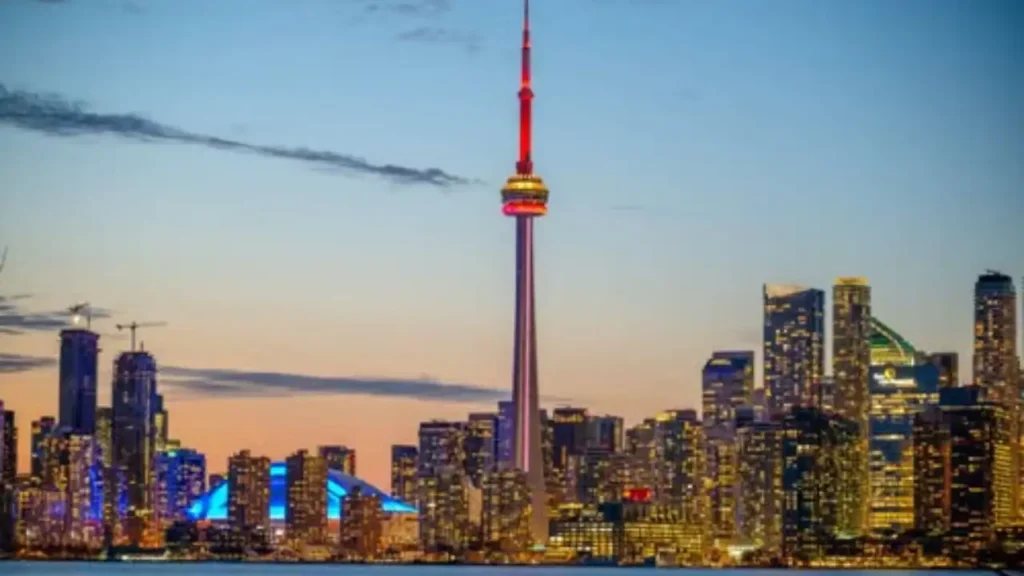
As Canada’s largest metropolis, Toronto is a dynamic, culturally rich financial capital where over 50% of residents were born outside of Canada. This incredible diversity is reflected in its eclectic neighborhoods, thriving arts scene, and world-class gastronomy.
Top Things to See and Do in Toronto:
- The CN Tower: Ride a high-speed glass elevator up to the observation deck of this 1,815-foot (553-meter) icon. Thrill-seekers can try the EdgeWalk, hands-free walking on an outdoor ledge high above the city.
- Explore Unique Neighborhoods: Wander through the historic red-brick industrial buildings of the Distillery District, soak up counter-culture vibes in Kensington Market, or dine in Toronto’s sprawling Chinatown.
- The Royal Ontario Museum (ROM): Visit Canada’s largest museum, featuring striking modern architectural design and vast collections of natural history and global art.
- Toronto Islands: Take a quick ferry from downtown across Lake Ontario to relax on car-free islands offering sandy beaches, bike trails, and the best skyline views of the city.
6. Montreal (Quebec)
As the second-largest French-speaking city in the world after Paris, Montreal is Canada’s capital of culture, festivals, and culinary creativity. It expertly combines 17th-century historic charm with modern, edgy nightlife and artistic flair.
Top Highlights in Montreal:
- Old Montreal (Vieux-Montréal): Explore historic cobblestone streets, grand plazas like Place Jacques-Cartier, and the breathtaking Gothic Revival interior of the Notre-Dame Basilica.
- Mount Royal Park: Hike or take a bus up to the top of “the mountain” designed by Frederick Law Olmsted (co-designer of NYC’s Central Park) for views over downtown Montreal.
- Food Scene: Indulge in Montreal’s famous food staples: authentic wood-fired Montreal bagels from St-Viateur, hot smoked-meat sandwiches from Schwartz’s Deli, and rich poutine (fries topped with cheese curds and gravy).
- Festivals: Visit during summer to attend major events like the Montreal International Jazz Festival or the Just for Laughs comedy festival.
7. Jasper National Park & The Icefields Parkway (Alberta)
Located north of Banff, Jasper National Park is the largest national park in the Canadian Rockies. Known for its untamed wilderness, abundant wildlife, and dark-sky mountain solitude, Jasper feels wilder and less commercialized than its southern neighbors.
Top Experiences in Jasper:
- The Icefields Parkway: Drive one of the world’s most scenic highways connecting Banff and Jasper, stretching past more than 100 ancient glaciers, cascading waterfalls, and turquoise lakes.
- Columbia Icefield & Skywalk: Walk on the surface of the massive Athabasca Glacier aboard an ice explorer vehicle or step out onto a glass-floored cliffside walkway.
- Maligne Lake & Spirit Island: Take a boat cruise across Maligne Lake to see Spirit Island, one of the most famous and serene photographic locations in Canada.
- Dark Sky Preserve: As an official Dark Sky Preserve, Jasper is one of the best accessible places on Earth for stargazing and viewing the Northern Lights (Aurora Borealis).
8. Cabot Trail & Cape Breton Island (Nova Scotia)
Carved into northern sea cliffs on the Atlantic coast of Nova Scotia, the Cabot Trail is a 185-mile (298 km) loop highway that ranks among the world’s premier scenic coastal drives.
Highlights along the Cabot Trail:
- Cape Breton Highlands National Park: Hike the famous Skyline Trail, a boardwalk path leading down a cliff-edge ridge overlooking the Gulf of St. Lawrence where moose are frequently spotted.
- Celtic & Acadian Heritage: Experience warm Maritime hospitality by listening to live fiddle music at local pub ceilidhs (traditional gatherings) in towns like Baddeck and Cheticamp.
- Seafood Feasts: Enjoy fresh Atlantic lobster, snow crab, and famous Digby scallops straight from coastal fishing ports.
9. Gros Morne National Park (Newfoundland and Labrador)
Located on the rugged west coast of Newfoundland, Gros Morne National Park is a UNESCO World Heritage Site renowned for its dramatic coastal fjords, sheer mountain cliffs, and unique geological formations.
Top Things to See and Do in Gros Morne:
- Western Brook Pond Boat Tour: Cruise through a landlocked freshwater fjord enclosed by vertical rock walls rising 2,000 feet (600 meters) straight out of the water.
- Walk on the Earth’s Mantle (The Tablelands): Hike across a barren, orange-red landscape where deep earth mantle rock was pushed to the surface millions of years ago by continental drift.
- Explore Coastal Villages: Visit quiet outport fishing communities like Rocky Harbour and Norris Point to experience warm local “Newfoundland” humor and culture.
10. Churchill (Manitoba)
Perched on the edge of Hudson Bay in northern Manitoba, the small remote town of Churchill is accessible only by train or plane. Despite its isolated location, it is world-renowned as the “Polar Bear Capital of the World.”
Top Experiences in Churchill:
- Polar Bear Safari: Board specialized high-clearance Tundra Buggies in October and November to safely observe wild polar bears gathering on the coast as they wait for sea ice to freeze.
- Beluga Whale Kayaking: Visit in July and August when thousands of friendly, white beluga whales migrate into the warm waters of the Churchill River estuary.
- Northern Lights Watching: Located directly beneath the Auroral Oval, Churchill is one of the top three places on the planet to witness dancing green auroras in the night sky.
Hidden Gems in Canada Off the Beaten Path
If you want to venture beyond the traditional tourist circuits, consider adding these incredible hidden spots to your Canadian journey:
- Haida Gwaii (British Columbia): An isolated archipelago off BC’s north coast rich in Haida First Nations culture, ancient totem poles, and moss-covered rainforests.
- Prince Edward Island (PEI): Canada’s smallest province, famous for red sand beaches, rolling farmland, coastal lighthouses, and literary history at Anne of Green Gables Heritage Place.
- Whitehorse & The Yukon: Step into Klondike Gold Rush history, soak in Takhini Hot Springs, and marvel at vast northern wilderness routes.
- Bruce Peninsula National Park (Ontario): Located on Lake Huron, this park features crystal-clear, Mediterranean-blue waters, dramatic limestone cliffs, and a famous sea-cave known as The Grotto.
Suggested Canada Road Trip Itineraries
Given Canada’s massive size, it is best to focus on one region per trip. Here are two popular routes:
Option A: The 7-Day “Canadian Rockies Classic” (Nature Lovers)
- Route: Calgary ➔ Banff ➔ Icefields Parkway ➔ Jasper ➔ Calgary
- Day 1: Arrive in Calgary, drive 90 minutes to Banff townsite.
- Day 2: Explore Banff Town, take the gondola, and hike Johnston Canyon.
- Day 3: Visit Lake Louise and Moraine Lake early in the morning; sleep in Lake Louise village.
- Day 4: Drive the scenic Icefields Parkway; stop at Peyto Lake and Columbia Icefield.
- Day 5–6: Explore Jasper National Park (Maligne Lake cruise, dark sky stargazing, wildlife spotting).
- Day 7: Drive back along the Icefields Parkway to Calgary Airport for departure.
Option B: The 10-Day Eastern Canada Culture & History Route
- Route: Toronto ➔ Niagara Falls ➔ Montreal ➔ Quebec City
- Day 1–3: Explore Toronto (CN Tower, neighborhoods) with a day trip to Niagara Falls & wineries.
- Day 4: Take a high-speed VIA Rail train or drive east to Montreal.
- Day 5–6: Discover Old Montreal, Notre-Dame Basilica, Mount Royal, and local culinary markets.
- Day 7: Drive or train to Quebec City along the historic King’s Road (Chemin du Roy).
- Day 8–9: Wander Old Quebec’s fortifications, Quartier Petit Champlain, and Montmorency Falls.
- Day 10: Final cafe breakfast in Quebec City before departure.
Essential Travel Tips for Visiting Canada
Keep these practical travel tips in mind to ensure a hassle-free vacation:
1. When is the Best Time to Visit Canada?
- Summer (June – August): Warm, pleasant weather across the country. Ideal for hiking in the Rockies, patio dining in cities, and road trips. Note that high-season crowds and hotel rates peak.
- Autumn (September – October): The best time for leaf-peeping and lower crowds. Fall colors transform Ontario, Quebec, and the Maritimes into vibrant reds and golds.
- Winter (December – March): Cold and snowy, but incredible for ski resorts (Whistler, Banff, Tremblant), ice skating on frozen canals, and Northern Lights viewing.
- Spring (April – May): Shoulder season with cooler temperatures and melting snow, but lower rates and fewer crowds.
2. Distances and Transportation
- Do not underestimate Canada’s size! Flying between Vancouver and Toronto takes 4.5 hours. If you plan to visit multiple provinces, domestic flights or high-speed rail corridors (VIA Rail) are necessary.
- For exploring national parks like Banff, Jasper, or Cape Breton, renting a car or RV is mandatory.
3. Entry Requirements & Parks Pass
- eTA Visa Requirement: Most international air travelers entering Canada require an Electronic Travel Authorization (eTA) or a tourist visa. Apply online prior to booking flights.
- Parks Canada Discovery Pass: If visiting multiple national parks over a week or more, purchase a Parks Canada Discovery Pass. It offers unlimited entry to over 80 national parks and historic sites, saving you money compared to daily gate fees.
4. Currency and Tipping
- Canada uses the Canadian Dollar (CAD / $).
- Credit and debit cards are accepted everywhere, including small towns.
- Tipping Culture: Tipping is standard practice in Canada. In restaurants, services, and taxis, a tip of 15% to 20% on the pre-tax bill is expected for good service.
Frequently Asked Questions (FAQ)
How many days do you need to visit Canada?
Because Canada is so large, you need at least 7 to 10 days to explore one specific region thoroughly (such as the Canadian Rockies or Eastern Canada). If you want to visit both the East Coast and West Coast in one trip, budget at least 14 to 21 days.
Is Canada expensive to visit?
Canada is comparable in cost to the United States, Australia, or Western Europe. National park admission is reasonable, but accommodation, car rentals, and internal domestic flights can be expensive during peak summer months. Booking early helps lower costs.
What language is spoken in Canada?
Canada has two official languages: English and French. English is spoken natively across most of the country. French is the primary language in the province of Quebec and is widely spoken in neighboring parts of New Brunswick and Ontario.
Final Thoughts: Start Planning Your Canadian Escape
From the staggering mountain heights of the Rockies to the romantic historic streets of Quebec and the rugged coastal charm of the Maritimes, Canada is a country that inspires wonder at every turn. Its vast landscapes and warm, welcoming people make it one of the world’s truly great travel destinations.
Which region will be the first stop on your Canadian adventure? Pack your jacket, grab your camera, and start planning your ultimate journey to Canada today!