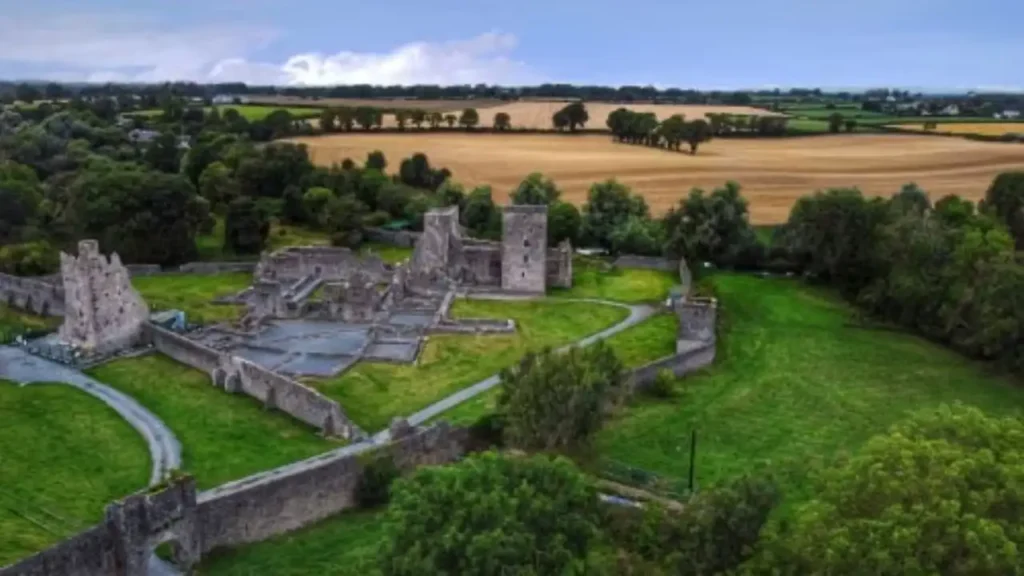
With its dramatic coastal cliffs, rolling green hills, ancient castles, and world-famous pub culture, the Emerald Isle is a destination that captures the imagination of every traveler. Whether you are seeking the lively energy of historic cities, planning an epic coastal road trip along the Wild Atlantic Way, or looking to unravel thousands of years of Celtic history, Ireland offers an unforgettable adventure.
If you are wondering where to go on your trip, this comprehensive, 2025 travel guide covers the 10 best places to visit in Ireland, complete with hidden gems, sample road trip itineraries, and practical planning advice to help you build the ultimate vacation.
Quick Overview: Top Ireland Destinations
| Destination | Best Known For | Recommended Stay |
| Dublin | History, Museums, Pub Culture | 2–3 Days |
| Cliffs of Moher | Iconic Ocean Views, Nature Walks | Day Trip / 1 Day |
| Ring of Kerry | Scenic Driving, Lakes, Castles | 2 Days |
| Galway & Connemara | Live Traditional Music, Wild Landscapes | 2–3 Days |
| Giant’s Causeway | Geological Marvels, Coastal Hiking | 1–2 Days |
| Dingle Peninsula | Authentic Culture, Coastal Views | 2 Days |
| Cork & Kinsale | Culinary Scene, Historic Forts | 2 Days |
| County Donegal | Rugged Cliffs, Solitude, Surfing | 2 Days |
| Kilkenny | Medieval Castles, Cobblestone Streets | 1–2 Days |
| The Aran Islands | Ancient Ruins, Timeless Island Life | Day Trip / 1 Day |
1. Dublin: The Historical and Literary Heart
As Ireland’s bustling capital, Dublin is the ideal entry point for most international travelers. Straddling the River Liffey, this vibrant city successfully blends its rich Georgian architecture and Viking heritage with a modern, cosmopolitan atmosphere.
Top Things to See and Do in Dublin:
- Trinity College & The Book of Kells: Walk through Ireland’s oldest university and enter the breathtaking Long Room library to view the Book of Kells, a world-famous 9th-century illuminated manuscript.
- Guinness Storehouse: Learn the history of Ireland’s iconic stout across seven interactive floors, ending with a complimentary pint at the rooftop Gravity Bar featuring 360-degree views of the city.
- Kilmainham Gaol: For history enthusiasts, a guided tour of this former prison provides a powerful insight into Ireland’s struggle for independence.
- St. Patrick’s Cathedral & Christ Church Cathedral: Admire the grand Gothic architecture of these two historic places of worship.
Where to Experience Dublin’s Pub Scene:
While the colorful streets of Temple Bar are famous for tourists, head slightly off the main strip for a more authentic pint. Local favorites include Kehoe’s, The Cobblestone (famous for traditional live music), and John Kavanagh (The Gravediggers) near Glasnevin Cemetery.
2. The Cliffs of Moher & County Clare
Located on the rugged west coast in County Clare, the Cliffs of Moher are Ireland’s most visited natural attraction. Soaring over 700 feet (214 meters) above the Atlantic Ocean, these sheer limestone cliffs offer panoramic views that stretch to the Aran Islands on a clear day.
Best Ways to Experience the Cliffs:
- The Coastal Walk: Instead of staying near the main visitor center, hike part of the Cliffs of Moher Coastal Trail connecting the villages of Liscannor and Doolin for spectacular, uncrowded views.
- O’Brien’s Tower: Climb to the top of this 19th-century observation tower located at the highest point of the cliffs.
- View from the Water: Take a ferry tour from Doolin Pier to look up at the towering cliffs from ocean level.
Nearby Highlight: The Burren
Don’t miss The Burren, a fascinating landscape of cracked limestone pavements, rare flora, and ancient tombs, including the 5,000-year-old Poulnabrone Dolmen.
3. The Ring of Kerry & Killarney National Park
The Ring of Kerry is a world-renowned 111-mile (179 km) circular route around the Iveragh Peninsula in southwestern Ireland. Featuring mountain passes, sparkling lakes, ancient hill forts, and coastal cliffs, this drive showcases classic Irish scenery.
Classic Route Flow: Killarney ➔ Kenmare ➔ Sneem ➔ Portmagee ➔ Glenbeigh ➔ Killarney
Key Highlights Along the Route:
- Killarney National Park: Home to Muckross House and Gardens, the historic Ross Castle, and the picturesque Torc Waterfall.
- Ladies View: A famous scenic viewpoint offering sweeping views over the Lakes of Killarney.
- Skellig Michael: A UNESCO World Heritage Site located 7 miles offshore. This rugged island was home to 6th-century Christian monks and served as a key filming location for Star Wars: The Force Awakens. (Note: Boat tours must be booked months in advance).
- Gap of Dunloe: A mountain pass separating the MacGillycuddy’s Reeks and Purple Mountain, perfect for walking, cycling, or taking a traditional pony-drawn carriage.
4. Galway City & Connemara: Culture, Craic, and Wild Landscapes
Known as Ireland’s “Cultural Capital,” Galway City radiates artistic energy. Cobblestone streets echo with the sound of buskers, while colorful pubs host nightly traditional Irish music sessions (trad sessions).
What to Do in Galway City:
- Explore the vibrant Latin Quarter and historic Claddagh district.
- Walk along the Salthill Promenade and jump off the Blackrock Diving Tower into Galway Bay.
- Dine on fresh oysters and seafood at local hot spots along Quay Street.
Day Trip: Connemara National Park
A short drive west of Galway leads into Connemara, an expanse of wild bogs, hidden lakes, and towering mountains.
- Kylemore Abbey: A stunning 19th-century neo-Gothic castle built on the edge of Pollacappul Lough, featuring a Victorian walled garden.
- Diamond Hill Hike: Located inside Connemara National Park, this well-maintained trail offers panoramic views of the Atlantic coast and surrounding peaks.
5. Giant’s Causeway & The Causeway Coast (Northern Ireland)
Crossing the border into Northern Ireland brings you to the dramatic Causeway Coast. The crown jewel of this coastline is the Giant’s Causeway, a geological marvel consisting of roughly 40,000 interlocking basalt columns created by ancient volcanic activity, or created by the legendary giant Finn MacCool, depending on local folklore!
Highlights of the Causeway Coastal Route:
- Carrick-a-Rede Rope Bridge: Test your nerves by crossing a swaying rope bridge suspended 100 feet above the crashing sea to a small fishing island.
- Dunluce Castle: The romantic, windswept ruins of a 16th-century castle perched precariously on the edge of a rocky cliff.
- The Dark Hedges: An eerie, beautiful avenue of beech trees planted in the 18th century, famous as “The King’s Road” in HBO’s Game of Thrones.
- Old Bushmills Distillery: Tour Ireland’s oldest licensed whiskey distillery, operating since 1608.
6. The Dingle Peninsula: Authentic Irish Charm
Slightly north of the Ring of Kerry lies the Dingle Peninsula. Often praised as being even more scenic and less crowded than its southern neighbor, Dingle is a stronghold of traditional Irish language, music, and heritage.
Top Experiences in Dingle:
- Slea Head Drive: One of Ireland’s most beautiful coastal drives, offering dramatic ocean vistas, views of the uninhabited Blasket Islands, and ancient beehive huts (clocháns).
- Dingle Town: A colorful fishing town packed with craft shops, seafood restaurants, and traditional pubs that double as hardware stores or grocery shops (such as Foxy John’s).
- Inch Beach: A three-mile stretch of sandy beach popular for surfing, walking, and swimming.
7. Cork, Kinsale, & Blarney Castle
County Cork in southern Ireland combines culinary excellence with deep historical roots. Cork City, set on the River Lee, offers a laid-back alternative to Dublin with a distinct local pride.
Must-Visit Attractions in County Cork:
- The English Market (Cork City): Operating since 1788, this indoor food market is the beating heart of Cork’s food scene, selling local cheeses, smoked fish, and artisan meats.
- Blarney Castle & Gardens: Explore the grounds of this 6th-century stronghold and climb to the battlements to kiss the Blarney Stone, which legend says bestows the “gift of gab” (eloquence).
- Kinsale: A picturesque coastal town known as the culinary capital of Ireland. Walk past bright pastel-painted houses and explore Charles Fort, a 17th-century star-shaped fortification guarding the harbor.
- Cobh: The final port of call for the RMS Titanic in 1912. Visit the Titanic Experience Cobh and admire the colorful row of houses known as the “Deck of Cards.”
8. County Donegal & Slieve League: Rugged & Unspoiled
Located in the far northwest, County Donegal is often overlooked by first-time visitors, making it a dream destination for travelers looking to escape the crowds. Donegal features some of the highest sea cliffs in Europe, wild beaches, and vast mountain landscapes.
Top Highlights in Donegal:
- Slieve League (Sliabh Liag): These sea cliffs are nearly three times higher than the Cliffs of Moher, dropping over 1,900 feet (600 meters) straight into the Atlantic.
- Glenveagh National Park: A remote wilderness area surrounding a 19th-century castle and pristine freshwater lakes.
- Malin Head: The northernmost point of mainland Ireland, famous for wild weather, rugged coastal scenery, and views of the Northern Lights during winter.
9. Kilkenny: Ireland’s Medieval Mile
Located in Ireland’s “Ancient East,” Kilkenny is a charming city that feels like a step back in time. With its well-preserved medieval architecture, narrow cobblestone alleys (slips), and creative arts scene, Kilkenny is a popular weekend destination.
What to Do in Kilkenny:
- Kilkenny Castle: Tour this grand 12th-century stone fortress surrounded by extensive gardens and parklands overlooking the River Nore.
- The Medieval Mile: Walk the historical trail connecting Kilkenny Castle to St. Canice’s Cathedral, where you can climb a 100-foot ancient round tower for sweeping views.
- Smithwick’s Experience: Learn about the history of Ireland’s oldest ale at the original brewery site.
10. The Aran Islands: Step Back in Time
Situated off the coast of Galway and Clare, the three Aran Islands (Inis Mór, Inis Meáin, and Inis Oírr) offer a rare glimpse into traditional Irish island life. Stone walls crisscross the stark limestone landscape, and the local population speaks Irish (Gaelic) as their primary language.
Highlights of Inis Mór (The Largest Island):
- Dún Aonghasa: An ancient prehistoric stone fort perched on the edge of a 300-foot cliff dropping into the Atlantic Ocean.
- Bike Rental: The best way to explore the island is by renting a bicycle at the ferry port in Kilronan and spending the day cycling past secluded beaches and seal colonies.
- Aran Sweaters: Pick up an authentic, hand-knitted woolen Aran sweater straight from the source.
Hidden Gems in Ireland Off the Beaten Path
If you want to escape the main tourist track, add these lesser-known spots to your itinerary:
- The Rock of Cashel (County Tipperary): A dramatic medieval complex set atop a limestone outcrop, serving as the historical seat of the Kings of Munster.
- Boyne Valley & Newgrange (County Meath): A prehistoric passage tomb older than both Stonehenge and the Egyptian Pyramids. During the winter solstice, a narrow beam of sunlight illuminates the inner chamber.
- Beara Peninsula (County Cork/Kerry): A quieter alternative to the Ring of Kerry featuring wild driving routes, colourful villages like Eyeries, and Ireland’s only cable car at Dursey Island.
Suggested Ireland Road Trip Itineraries
To help you organize your travel plans, here are two tried-and-tested road trip itineraries based on common trip lengths:
Option A: The 7-Day “Classic Ireland” Highlights (First-Timers)
- Route: Dublin ➔ Kilkenny & Rock of Cashel ➔ Killarney & Ring of Kerry ➔ Cliffs of Moher ➔ Galway City & Departure
- Day 1–2: Arrive in Dublin, explore Trinity College, Dublin Castle, and local pubs.
- Day 3: Drive south to Kilkenny Castle, then visit the Rock of Cashel en route to Killarney.
- Day 4–5: Drive the Ring of Kerry and explore Killarney National Park.
- Day 6: Drive north along the Wild Atlantic Way to the Cliffs of Moher; sleep in Doolin or Galway.
- Day 7: Explore Galway City before returning to Dublin Airport for departure.
Option B: The 10-Day Ultimate Ireland Loop
- Route: Dublin ➔ Belfast & Antrim Coast ➔ Giant’s Causeway ➔ Donegal & Connemara ➔ Galway & Cliffs of Moher ➔ Dingle & Departure
- Day 1–2: Dublin City exploration.
- Day 3–4: Drive north to Belfast (Black Cab Tour), visit the Giant’s Causeway and Dunluce Castle.
- Day 5–6: Head west through County Donegal, down through Connemara to Galway City.
- Day 7–8: Experience the Cliffs of Moher, explore County Clare, and head into County Kerry.
- Day 9–10: Drive the Dingle Peninsula, return to Dublin (or depart via Shannon Airport).
Essential Travel Tips for Visiting Ireland
To ensure a smooth journey, keep these practical travel tips in mind before you pack your bags:
1. When is the Best Time to Visit Ireland?
- Peak Season (July – August): Warmest weather and longest daylight hours (sunlight until 10:00 PM), but accommodation prices are high and major sites are crowded.
- Shoulder Season (May – June & September – October): The best time to visit. You’ll enjoy mild weather, manageable crowds, blooming wildflowers, and lower rates.
- Off-Season (November – April): Cool, rainy, and short daylight hours, but cheap prices and empty attractions. Many seasonal tours close during winter.
2. Driving in Ireland: What You Need to Know
- Drive on the Left: Ireland drives on the left-hand side of the road with the steering wheel on the right.
- Narrow Rural Roads: Country roads (marked as ‘R’ or ‘L’ roads) can be extremely narrow, winding, and bordered by stone walls or hedges. Drive slowly and yield to oncoming traffic at passing places.
- Manual vs. Automatic: Renting a manual (stick-shift) car is standard. If you require an automatic car, book months in advance, as availability is limited and more expensive.
3. Currency and Borders
- Republic of Ireland: Uses the Euro (€).
- Northern Ireland: Part of the UK, uses the British Pound Sterling (£).
- Border Crossing: There is an open border between the Republic of Ireland and Northern Ireland with no passport checkpoints on the road, making travel seamless.
Frequently Asked Questions (FAQ)
How many days do you need in Ireland?
To see the main highlights without rushing, 7 to 10 days is ideal. A 7-day trip allows you to visit Dublin, Kerry, and the Cliffs of Moher. A 10 to 14-day itinerary gives you enough time to add Northern Ireland, Donegal, and the Aran Islands.
Is Ireland expensive to visit?
Ireland is moderately expensive compared to rest of Europe. Accommodation and car rentals can be costly during summer months. However, dining at pubs, enjoying free natural landmarks (hikes, beaches), and visiting free public museums in Dublin help lower costs.
Do I need a rental car in Ireland?
If you plan to stay in Dublin or take guided day tours, you do not need a car. However, if you want to explore rural regions like Connemara, Donegal, the Dingle Peninsula, and the Wild Atlantic Way at your own pace, renting a car is highly recommended.
Final Thoughts: Start Planning Your Irish Getaway
Ireland is a rare travel destination where the stunning natural scenery is matched only by the warmth and friendliness of its people. From listening to fiddles echo through a crowded Galway pub to standing on the edge of the Cliffs of Moher with ocean breezes in your face, Ireland promises memories that last a lifetime.
Which destination will be at the top of your Ireland itinerary? Pack your waterproof coat, bring your sense of adventure, and prepare to discover the magic of the Emerald Isle!