Popular tourist hubs across India are becoming increasingly overwhelmed during peak seasons. Iconic destinations like Manali, Goa, and Shimla often present travelers with endless traffic jams, packed viewpoints, and noisy crowds rather than the peaceful retreat they originally sought.
As overtourism shifts travel preferences, modern explorers are actively looking for quiet, untouched landscapes where nature takes center stage.
India is filled with hidden sanctuaries that offer breathtaking views, cool mountain air, and rich cultural experiences without the chaotic tourist rush. If you are looking to trade crowded streets for serene nature, these pristine Indian destinations are ideal for your next getaway.
Shoja, Himachal Pradesh: The Quiet Haven of the Great Himalayas
Tucked away in the tranquil Seraj Valley of Himachal Pradesh, Shoja remains one of the state’s best-kept secrets. Located just a short distance from the popular Jalori Pass, this tiny wooden hamlet is surrounded by dense pine forests and snow-covered peaks, offering absolute silence that is almost impossible to find in nearby Manali.
Visiting Shoja allows travelers to experience slow mountain life at its finest. Instead of commercialized tourist streets, you will find traditional wooden houses, organic apple orchards, and scenic walking trails leading to hidden waterfalls. A gentle trek from Shoja brings you to Serolsar Lake, a clear water body hidden deep within the forest that remains free from commercial noise and heavy crowds.
Zuluk, Sikkim: A Cloud-Kissed Paradise on the Ancient Silk Route
While Gangtok and Nathula Pass draw thousands of daily visitors, the high-altitude hamlet of Zuluk in East Sikkim offers a far more secluded mountain experience. Perched at an elevation of nearly ten thousand feet, Zuluk was once a historic transit point along the ancient Silk Route connecting India and Tibet.
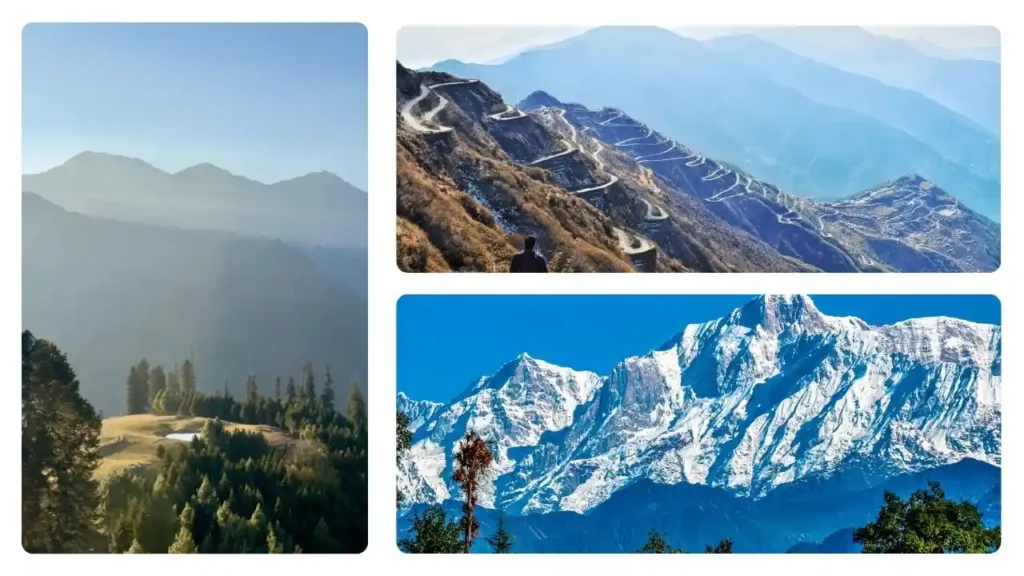
The drive to Zuluk features a mesmerizing series of over thirty zig-zag hairpin turns that cut through foggy mountain slopes. Standing at the Thambi View Point early in the morning provides panoramic views of the majestic Kanchenjunga peak, completely unobstructed by tour buses or bustling markets. Because visitors require special permits to enter the region, Zuluk naturally maintains a peaceful and low-impact environment.
Chopta, Uttarakhand: Untouched Meadows and Sacred Silence
Often referred to as the mini Switzerland of India, Chopta is a stunning valley located inside the Kedarnath Wildlife Sanctuary in Uttarakhand. Unlike commercial hill stations that are filled with concrete hotels and noisy markets, Chopta consists mostly of rolling green alpine meadows known locally as Bugyals, backed by majestic Himalayan peaks.
Chopta serves as the base for the rewarding trek to Tungnath, the highest Shiva temple in the world. Even during the peak summer months, the expansive landscape ensures that you can walk for miles without encountering heavy foot traffic. Staying in cozy local homestays or eco-friendly camps allows you to sleep under light-polluted skies filled with millions of stars.
Gavi, Kerala: A Deep Rainforest Retreat
For travelers looking to escape the crowded backwaters of Alleppey or the busy tea gardens of Munnar, the dense eco-tourism village of Gavi provides an unmatched wilderness experience. Situated inside the protected forests of the Periyar Tiger Reserve, Gavi is a sanctuary of lush tropical greenery, mist-shrouded lakes, and rare wildlife.
To protect its fragile ecosystem, local authorities strictly limit the number of day visitors and vehicles allowed into Gavi. This regulation keeps the destination pristine and blissfully quiet. Visitors can spend their days canoeing on glassy forest lakes, walking through cardamom plantations with local guides, and listening to the calls of native birds without any urban distractions.
Mawlyngbna, Meghalaya: An Undiscovered World of Waterfalls
While tourist buses constantly flock to Cherrapunji and the famous Dawki River, the small village of Mawlyngbna in Meghalaya remains a quiet paradise for adventure seekers and nature lovers. Located on a high plateau overlooking the plains of Bangladesh, this region offers rich natural beauty that feels completely undiscovered.
Mawlyngbna is famous for its natural freshwater pools, ancient fossil parks, and hidden jungle waterfalls. Travelers can kayak along calm river stretches, swim in natural stone basins, and explore natural caves without fighting for space or waiting in long lines. The local Khasi community manages eco-tourism directly, ensuring that the village remains clean, tranquil, and deeply connected to nature.
How to Plan a Crowd-Free Journey Across India
Securing a quiet holiday requires careful planning and a slight shift in how you structure your travel itinerary. Choosing to travel during shoulder seasons such as late monsoon or early spring can dramatically reduce the likelihood of encountering crowds, even near popular transit hubs.
Additionally, booking stays in locally managed homestays or eco-resorts rather than large luxury hotel chains often grants access to private trails and localized recommendations. By stepping slightly off the beaten path, you not only enjoy a peaceful vacation but also support sustainable tourism initiatives that benefit small local communities directly.