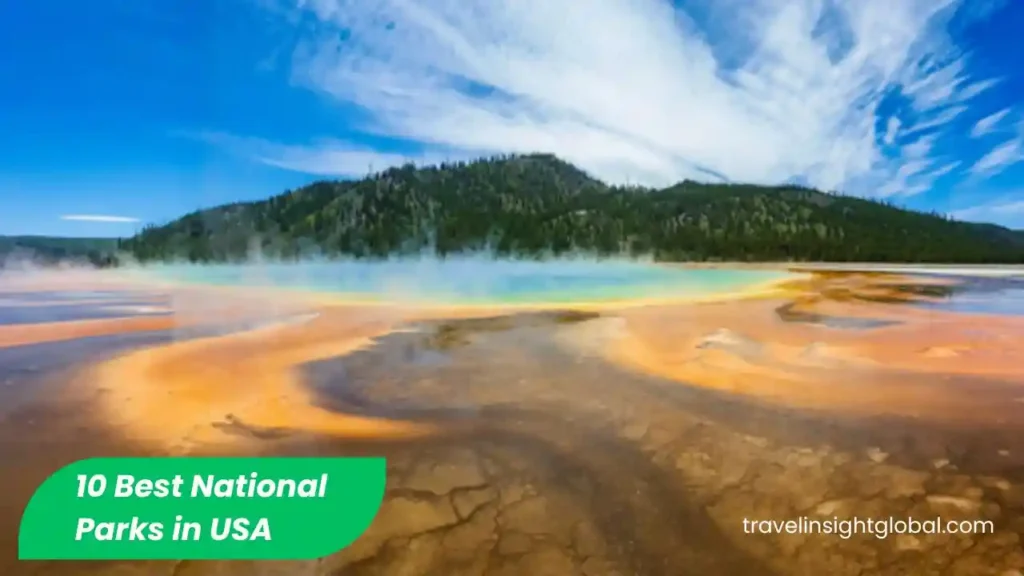
Spanning 63 protected wilderness regions across 30 states and territories, the U.S. National Park System protects some of the most extraordinary, varied natural landscapes on Earth. From the geothermal geysers of Yellowstone and the sheer granite monoliths of Yosemite to the towering red rock canyons of Zion and the rugged sea cliffs of Acadia, the national parks showcase the raw beauty of North America.
Navigating the national parks has evolved, with dynamic timed-entry permit systems, reservation requirements, and record-breaking visitation shaping how travelers plan their adventures.
Whether you are planning a bucket-list family road trip, an epic backcountry hiking expedition, or a scenic wilderness getaway, this comprehensive guide covers the 10 best national parks in USA, along with underrated hidden gems, road trip itineraries, and current reservation guidelines.
Quick Overview: Top USA National Parks
| National Park | State | Best Known For | Recommended Stay |
| Yellowstone | Wyoming / MT / ID | Geysers, Hot Springs, Bison, Wildlife | 3–4 Days |
| Yosemite | California | Granite Cliffs, Waterfalls, Giant Sequoias | 2–3 Days |
| Zion | Utah | The Narrows, Angels Landing, Red Canyons | 2–3 Days |
| Grand Canyon | Arizona | Mile-Deep Canyon, Colorado River, Vistas | 1–2 Days |
| Grand Teton | Wyoming | Jagged Peaks, Jenny Lake, Snake River | 2 Days |
| Rocky Mountain | Colorado | Alpine Tundra, Bear Lake, Trail Ridge Road | 2–3 Days |
| Glacier | Montana | Going-to-the-Sun Road, Glacial Lakes | 3 Days |
| Acadia | Maine | Atlantic Coastline, Cadillac Mountain Sunrise | 2 Days |
| Olympic | Washington | Rainforests, Pacific Beaches, Alpine Peaks | 3 Days |
| Arches & Canyonlands | Utah | Natural Rock Arches, Canyons, Mesa Arch | 2–3 Days |
Table of Contents
1. Yellowstone National Park (Wyoming, Montana, Idaho)
Established in 1872 as the world’s first national park, Yellowstone sits atop a massive volcanic hotspot, creating a wonderland of geothermal marvels and thriving wildlife. Encompassing nearly 2.2 million acres, Yellowstone is home to more than half of the world’s active geysers, as well as grizzly bears, wolves, elk, and wild bison herds.
Top Things to See and Do in Yellowstone:
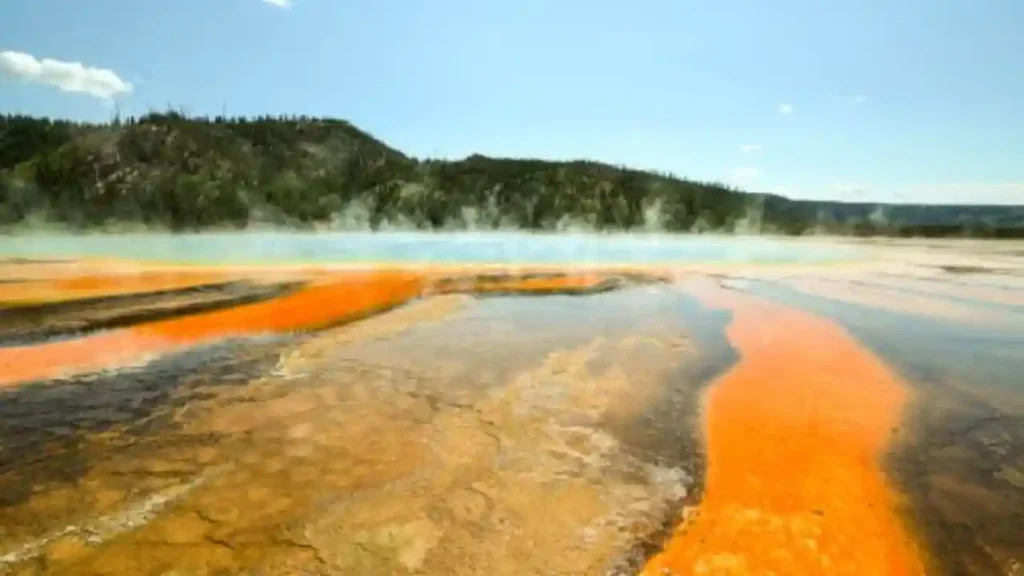
- Grand Prismatic Spring: Walk along boardwalks beside the largest hot spring in the United States, famous for its vivid rainbow ring of thermophilic bacteria.
- Old Faithful Geyser: Watch this world-famous geyser erupt up to 180 feet into the air roughly every 90 minutes.
- Lamar and Hayden Valleys: Wake up at dawn with binoculars to spot wild bison herds, grizzly bears, pronghorns, and wolf packs in regions known as “America’s Serengeti.”
- Grand Canyon of the Yellowstone: Marvel at the roaring 308-foot Lower Falls plunging into a yellow, red, and pink volcanic canyon.
2. Yosemite National Park (California)
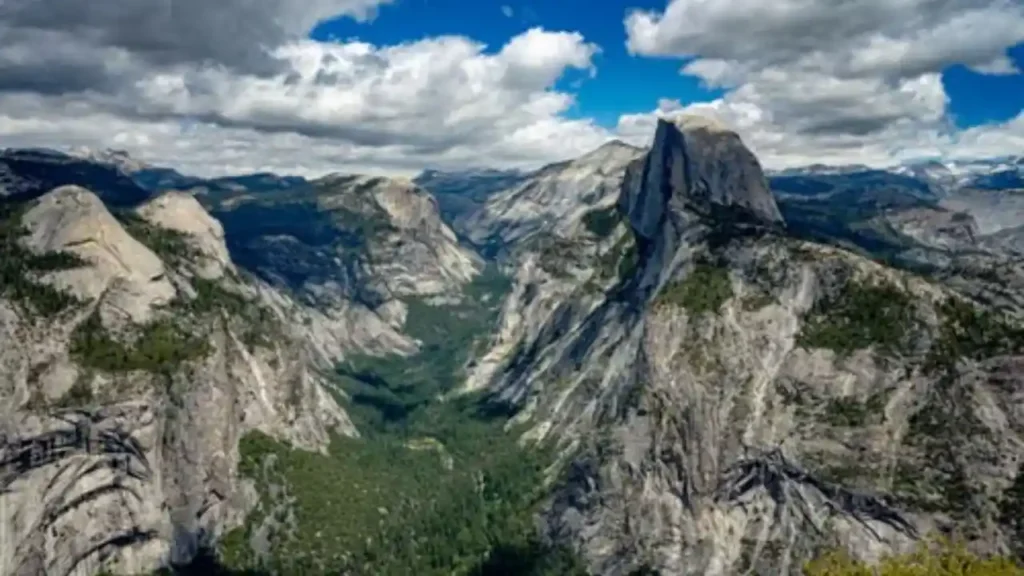
Located in California’s Sierra Nevada mountains, Yosemite is world-renowned for its sheer granite monoliths, soaring waterfalls, and groves of ancient giant sequoia trees. Yosemite Valley, carved by ice-age glaciers, offers some of the most iconic mountain views on Earth.
Highlights of Yosemite National Park:
- Iconic Granite Cliffs: Gaze up at El Capitan, a sheer 3,000-foot granite wall famous among rock climbers worldwide, and Half Dome, Yosemite’s signature granite crest.
- Yosemite Falls: See North America’s tallest waterfall, cascading a total of 2,425 feet down into the valley floor (best viewed during peak snowmelt in late spring).
- Mariposa Grove: Walk among over 500 mature giant sequoias, including the ancient Grizzly Giant, estimated to be over 3,000 years old.
- Glacier Point: Drive or hike up to this breathtaking lookout offering an elevated, panoramic vista over Yosemite Valley, Half Dome, and the High Sierra.
3. Zion National Park (Utah)
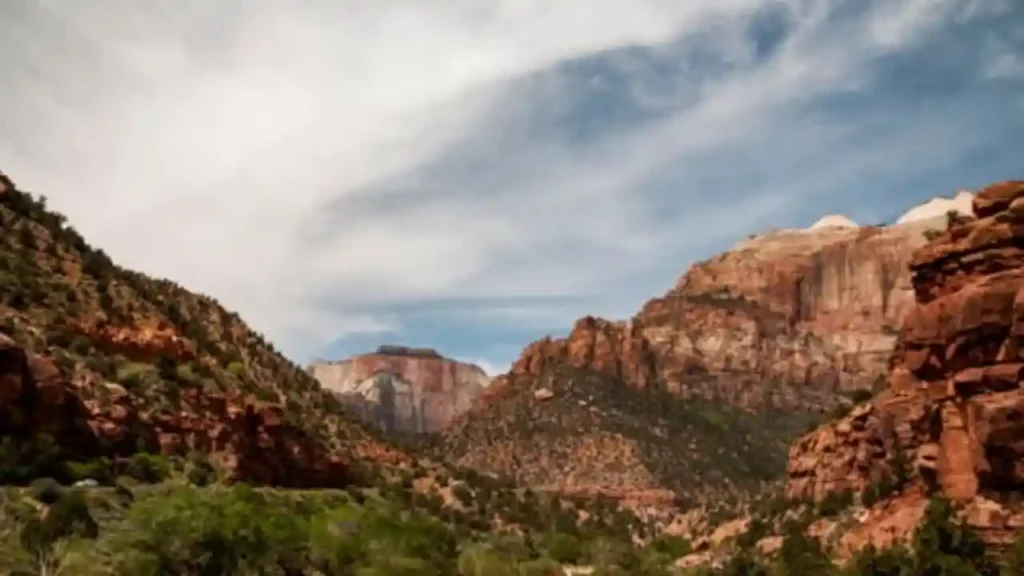
Located in southwestern Utah, Zion National Park features dramatic vertical red and pink Navajo sandstone canyon walls carved by the Virgin River. Zion combines towering desert monoliths with lush river valleys, offering some of the most thrilling hiking trails in North America.
Top Hikes and Experiences in Zion:
- The Narrows: Hike directly through the Virgin River as it flows between sheer, 1,000-foot-high canyon walls that narrow to just 20 feet wide in places.
- Angels Landing: Conquer a thrilling ridge-line hike featuring iron chains bolted into steep rock, rewarding hikers with a breathtaking 360-degree view of Zion Canyon. (Note: Angels Landing requires a chain-section permit).
- Zion Canyon Scenic Drive: Take the park’s electric shuttle bus along the scenic valley floor, stopping at famous rock formations like The Court of the Patriarchs and Weeping Rock.
4. Grand Canyon National Park (Arizona)
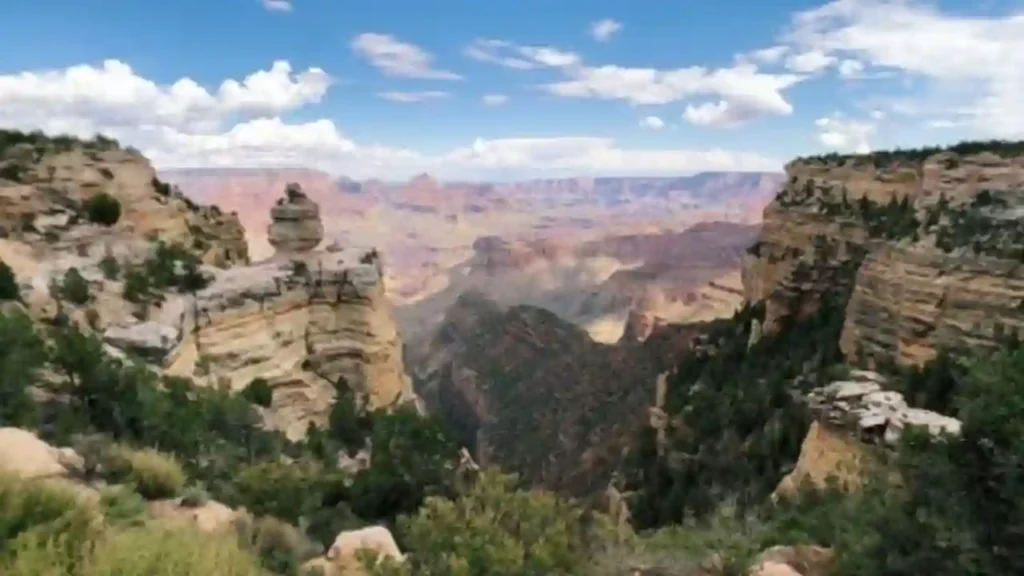
Measuring 277 miles long, up to 18 miles wide, and over a mile deep, the Grand Canyon is a geological marvel carved over millions of years by the Colorado River. Its exposed layers of colorful ancient rock reveal billions of years of Earth’s history.
Best Ways to Experience the Grand Canyon:
- South Rim Vistas: Walk the paved Rim Trail to incredible viewpoints like Mather Point, Yavapai Observation Station, and Desert View Watchtower.
- Hike Into the Canyon: Descend below the rim along the famous Bright Angel Trail or South Kaibab Trail down to Ooh Aah Point. Always carry plenty of water and remember that climbing back up takes twice as long as going down!
- North Rim Exploration: Visit the quieter, cooler, and heavily forested North Rim (open seasonally from mid-May to October) for a peaceful, uncrowded experience.
- Helicopter & Boat Tours: Experience the sheer scale of the canyon via a scenic flight or a whitewater rafting trip down the Colorado River.
5. Grand Teton National Park (Wyoming)
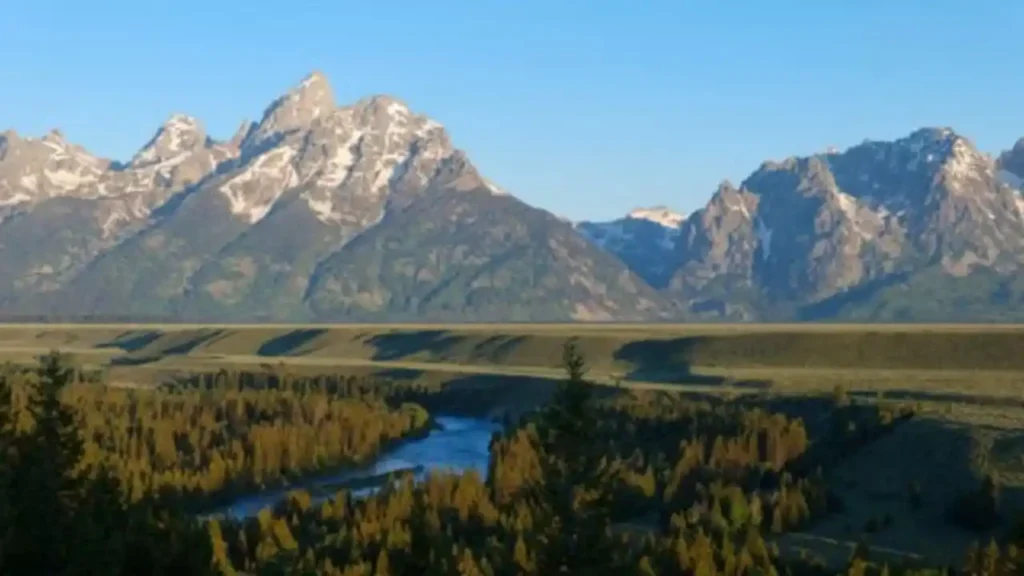
Located just 10 miles south of Yellowstone, Grand Teton National Park protects the dramatic, jagged Teton Mountain Range, which rises abruptly without foothills over 7,000 feet above the valley floor. Combined with pristine alpine lakes and winding rivers, it is a paradise for outdoor recreation.
Top Things to Do in Grand Teton:
- Jenny Lake & Hidden Falls: Take a scenic boat shuttle across Jenny Lake to hike up to Hidden Falls and continue to Inspiration Point.
- Mormon Row Historic District: Photograph historic 19th-century wooden barns framed perfectly by the towering Teton Range at sunrise.
- Snake River Rafting: Float down the Snake River on a scenic raft tour, spotting bald eagles, moose, and beaver dams along the riverbanks.
- Schwabacher Landing: Visit this peaceful river bend at dawn to capture mirror-like reflections of the Grand Teton peaks in the quiet water.
6. Rocky Mountain National Park (Colorado)
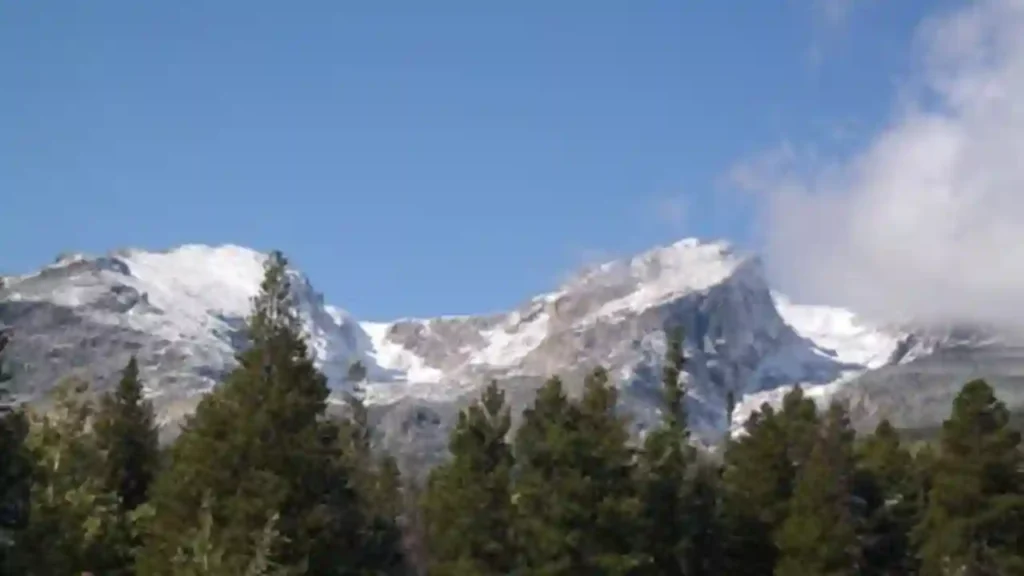
Encompassing over 415 square miles of high-country wilderness, Rocky Mountain National Park in Colorado features soaring mountain peaks, alpine tundra, crystalline lakes, and abundant wildlife herds, all situated along the Continental Divide.
Highlights of Rocky Mountain National Park:
- Trail Ridge Road: Drive the highest continuous paved highway in North America, reaching a peak elevation of 12,183 feet as it crosses the alpine tundra above the tree line.
- Bear Lake Corridor: Hike a popular loop trail connecting beautiful subalpine lakes, including Bear Lake, Nymph Lake, Dream Lake, and Emerald Lake.
- Elk Bugling in Fall: Visit during September and October to hear the haunting bugle calls of thousands of wild elk gathering during their annual mating season (rut) in Estes Park and Moraine Park.
7. Glacier National Park (Montana)
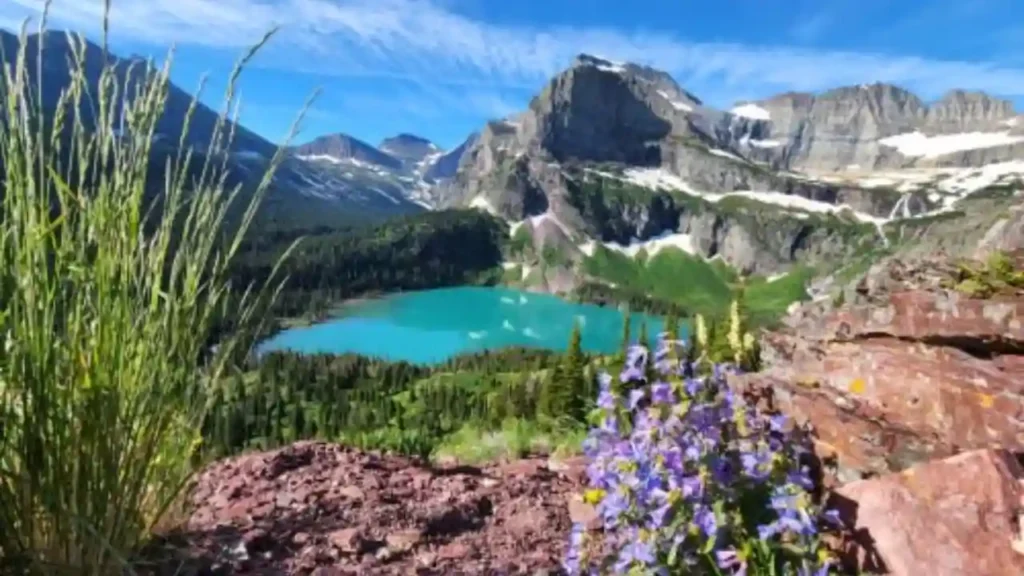
Located in northern Montana along the Canadian border, Glacier National Park is known as the “Crown of the Continent.” Featuring carved glacier valleys, alpine meadows, pristine turquoise lakes, and historic chalets, Glacier offers raw, untouched wilderness.
Top Highlights in Glacier National Park:
- Going-to-the-Sun Road: Drive this magnificent 50-mile engineering marvel that climbs over Logan Pass along steep mountain cliffs, offering unmatched alpine vistas.
- Highline Trail: Hike along a narrow ledge carved into the rock face from Logan Pass, offering sweeping high-elevation views and frequent mountain goat sightings.
- Many Glacier Region: Explore the heart of the park’s hiking trails, featuring stunning alpine lakes like Swiftcurrent Lake and Grinnell Lake.
- Avalanche Lake: Take a family-friendly hike through an ancient cedar forest to a glacial lake framed by towering waterfalls.
8. Acadia National Park (Maine)
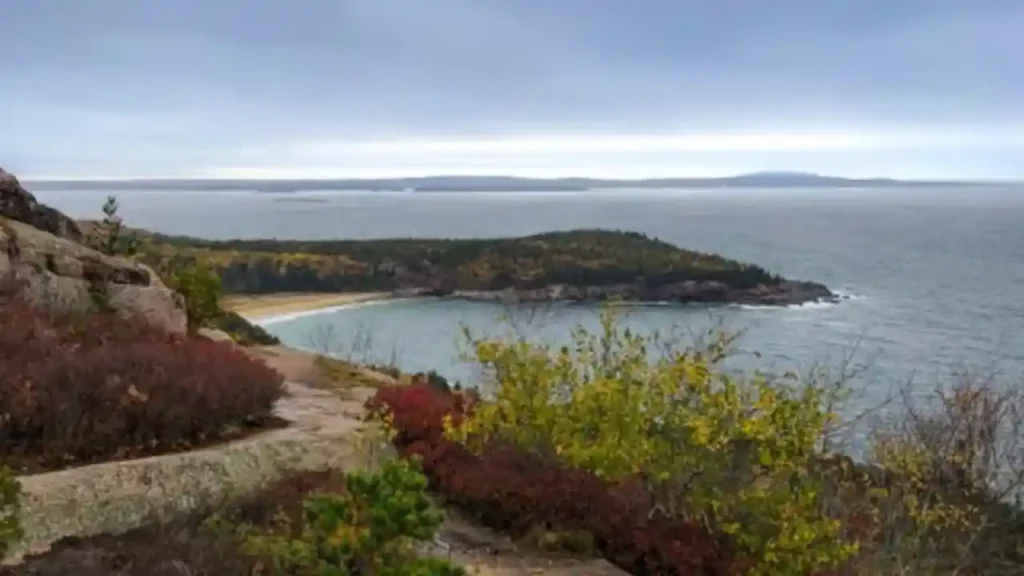
Protecting the rugged coastline of Maine’s Mount Desert Island, Acadia National Park is the oldest national park east of the Mississippi River. Acadia combines ocean waves crashing against granite cliffs with quiet birch forests, historic stone bridges, and freshwater lakes.
Top Things to Do in Acadia:
- Cadillac Mountain Sunrise: Drive or hike to the summit of Cadillac Mountain the highest point on the North Atlantic seaboard to be among the very first people in the United States to see the morning sun rise over the ocean.
- Walk the Carriage Roads: Explore 45 miles of rustic, car-free stone carriage roads designed by John D. Rockefeller Jr., ideal for walking, biking, or horseback riding.
- Thunder Hole & Ocean Path: Walk along the granite coastline to hear the roar of ocean waves forcing air and water out of a narrow rock cavern.
- Popovers at Jordan Pond House: Enjoy traditional popovers with strawberry jam and tea sitting on the lawn overlooking Jordan Pond and The Bubbles mountains.
9. Olympic National Park (Washington)
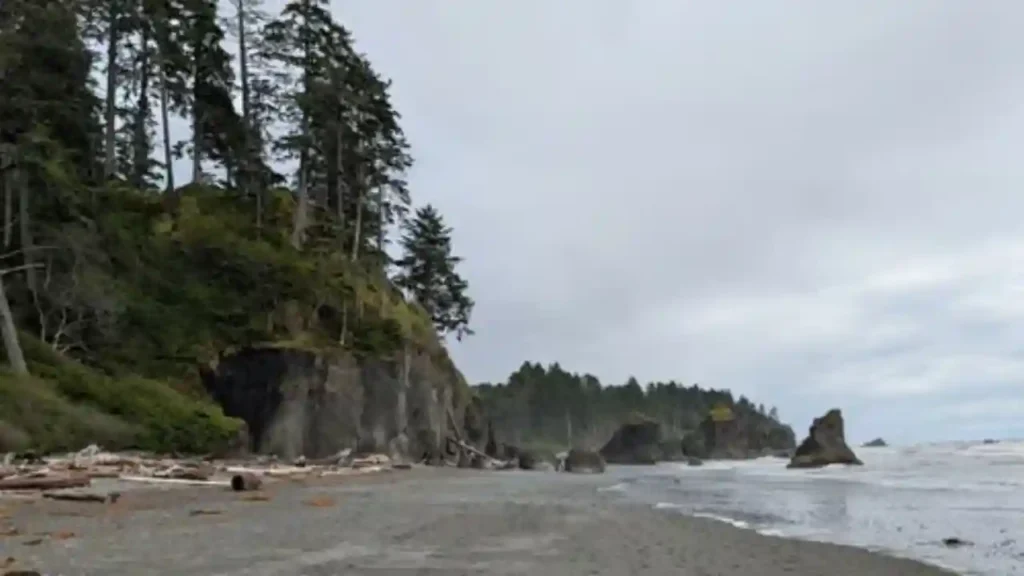
Located on Washington State’s Olympic Peninsula, Olympic National Park protects three distinct ecosystems: glacier-capped mountains, rugged Pacific Ocean beaches, and temperate rainforests.
Highlights of Olympic National Park:
- Hoh Rain Forest: Wander through moss-draped temperate rainforests along the Hall of Mosses Trail, surrounded by giant Sitka spruces and western hemlocks.
- Rialto Beach & Ruby Beach: Walk along wild, foggy Pacific beaches littered with sea-carved driftwood, giant sea stacks, and tide pools rich with starfish and anemones.
- Hurricane Ridge: Drive up to high-elevation alpine meadows for breathtaking views of the Olympic Mountains and glaciated peaks.
10. Arches & Canyonlands National Parks (Utah)
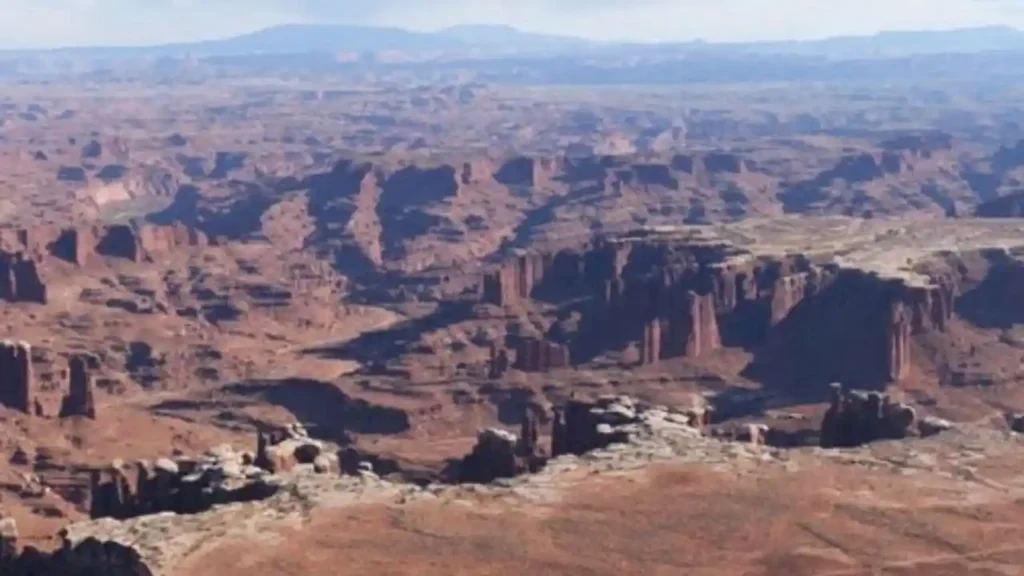
Located right next to the adventure hub of Moab in eastern Utah, Arches and Canyonlands offer two distinct red-rock landscapes shaped by millions of years of water and wind erosion.
Top Highlights in Moab’s Parks:
- Delicate Arch (Arches): Take the 3-mile roundtrip hike to stand beneath Utah’s iconic 52-foot freestanding natural sandstone arch, especially stunning at sunset.
- Landscape Arch (Arches): View one of the longest natural rock arches in the world, stretching 306 feet across the desert sky.
- Mesa Arch (Canyonlands): Visit the Island in the Sky district of Canyonlands at sunrise to watch the underside of Mesa Arch glow fiery orange as the sun rises over deep canyon chasms.
Underrated Hidden Gem National Parks
If you want to escape heavy summer crowds, consider visiting these lesser-known parks:
- North Cascades National Park (Washington): Known as the “American Alps,” featuring over 300 glaciers, alpine lakes like Diablo Lake, and free entry with minimal crowds.
- Great Sand Dunes National Park (Colorado): Home to the tallest sand dunes in North America, backed by snow-capped peaks. Try sandboarding down 750-foot dunes!
- Dry Tortugas National Park (Florida): Located 70 miles west of Key West, this remote park is accessible only by ferry or seaplane, featuring historic Fort Jefferson, crystal-clear blue waters, and vibrant coral reef snorkeling.
- Wrangell-St. Elias National Park (Alaska): The largest national park in the USA (equal to six Yellowstones!), featuring vast mountain ranges, massive glaciers, and historic copper mining towns.
Suggested USA National Park Road Trip Itineraries
Option A: The 7-Day Utah “Mighty 5” Express
- Route: Las Vegas ➔ Zion ➔ Bryce Canyon ➔ Capitol Reef ➔ Arches & Canyonlands ➔ Salt Lake City
- Day 1–2: Depart Las Vegas for Zion National Park. Hike The Narrows or Scout Lookout.
- Day 3: Drive to Bryce Canyon National Park. Hike among red rock amphitheaters and hoodoos.
- Day 4: Scenic drive along Highway 12 through Capitol Reef National Park.
- Day 5–6: Explore Arches National Park (Delicate Arch) and Canyonlands National Park (Mesa Arch).
- Day 7: Depart via Salt Lake City International Airport (SLC).
Option B: The 7-Day Yellowstone & Grand Teton Loop
- Route: Jackson Hole ➔ Grand Teton ➔ Yellowstone National Park ➔ Jackson Hole
- Day 1–2: Arrive in Jackson Hole. Explore Grand Teton National Park (Jenny Lake hike, Snake River float).
- Day 3–5: Drive north into Yellowstone. Explore Old Faithful, Grand Prismatic Spring, Hayden Valley, and the Grand Canyon of the Yellowstone.
- Day 6: Travel through Lamar Valley for wildlife watching; visit Mammoth Hot Springs.
- Day 7: Drive back down through Grand Teton to Jackson Hole Airport (JAC) for departure.
Essential Travel Tips for USA National Parks
Planning a national park trip requires forward preparation. Keep these essential travel guidelines in mind:
1. Timed-Entry Reservations & Permits
To manage high visitation and preserve wilderness environments, several popular national parks require advance reservations or timed-entry permits during peak season:
- Zion: Permits are required year-round via lottery for the chain section of Angels Landing.
- Rocky Mountain: Timed-entry reservations are required from late May through October for the Bear Lake Road corridor and general park access.
- Glacier: Vehicle reservations are required during summer for key corridors, including the Going-to-the-Sun Road and Many Glacier entrance.
- Acadia: Vehicle reservations are required to drive up Cadillac Mountain during peak season.
- Yosemite: Check park updates for peak-hours reservation requirements during summer weekends and holidays.
2. Purchase an “America the Beautiful” Interagency Pass
If you plan to visit three or more national parks within 12 months, buy the America the Beautiful Pass. Costing $80 annually, this pass covers entrance fees for the pass holder and all passengers in a single private vehicle at over 2,000 federal recreation sites nationwide.
3. Practice “Leave No Trace” & Wildlife Safety
- Keep Wildlife Wild: Always maintain a safe distance from wildlife stay at least 100 yards (91 meters) away from bears and wolves, and 25 yards (23 meters) away from all other wildlife, including bison, elk, and moose.
- Bear Safety: Carry bear spray in an easily accessible holster (not inside your backpack) when hiking in grizzly country (Yellowstone, Teton, Glacier). Know how to use it!
- Pack It In, Pack It Out: Dispose of all trash properly, stay on designated trails to prevent soil erosion, and never remove natural objects or rocks from national parks.
4. Book Accommodations Months in Advance
Lodging and campsites inside national parks (such as historic lodges like the Old Faithful Inn or El Tovar) often open reservations 12 months in advance and sell out within minutes. Plan early or look for accommodations in gateway towns outside park entrances.
Frequently Asked Questions (FAQ)
What is the most visited national park in the USA?
Great Smoky Mountains National Park (straddling North Carolina and Tennessee) is consistently the most visited national park in the United States, welcoming over 12 million visitors annually due to its central location, free admission, and vast scenic mountain drives.
What is the best month to visit US national parks?
September and October are widely considered the best overall months for visiting most major national parks. Summer crowds disperse as schools resume, temperatures become comfortable for hiking, fall colors appear, and wildlife becomes highly active.
How do I make national park reservations?
All official timed-entry passes, camping reservations, and lottery permits (like Angels Landing or Wave permits) are managed through the single federal website Recreation.gov. Create an account in advance to prepare for opening reservation windows.
Final Thoughts: Start Your Wilderness Adventure
The national parks of the United States preserve some of the most awe-inspiring landscapes on planet Earth. From watching Old Faithful erupt under the vast Wyoming sky to hiking through moss-draped ancient rainforests in Washington or gazing into the vast depths of the Grand Canyon, these wild spaces offer endless adventure.
Which magnificent national park will be the first stop on your bucket list journey? Grab your hiking boots, secure your entrance permits, and begin your ultimate national park adventure today!