Framed by thousands of miles of coastline along the Caribbean Sea, the Gulf of California, and the Pacific Ocean, Mexico is home to some of the world’s most magnificent beaches. From the powdery white sands and electric-turquoise waters of the Yucatán Peninsula to the wild, surf-pounded golden bays of the Pacific and the dramatic desert-meets-sea landscapes of Baja California, Mexico offers an incredible variety of beach escapes.
Whether you are looking for luxurious resort amenities, eco-chic bohemian beach clubs, secret hidden island coves, or world-class surfing breaks, Mexico’s coastal destinations cater to every travel style.
If you are planning a tropical getaway and wondering where to find the best sand and surf, this comprehensive guide covers the 10 best beaches in Mexico, along with secret hidden gems, regional itineraries, and practical planning advice.
Quick Overview: Top Mexico Beaches
| Beach & Location | Best Known For | Vibe | Best For |
| Playa Norte (Isla Mujeres) | Shallow Turquoise Water, Palm Trees | Relaxed & Picturesque | Swimmers & Families |
| Playa Paraíso (Tulum) | White Sand, Ruins Backdrop, Eco-Chic | Bohemian & Stylish | Couples & Instagrammers |
| Balandra Beach (La Paz) | Mushroom Rock, Shallow Lagoon | Pristine & Untouched | Kayakers & Nature Lovers |
| Hidden Beach (Marietas Islands) | Cavern Beach, Volcanic Hole | Unique & Adventurous | Day Trips & Explorers |
| Lover’s Beach (Cabo San Lucas) | Granite Arches, Sea of Cortez Views | Iconic & Rugged | Couples & Boat Tours |
| Punta Mosquito (Isla Holbox) | Sandbars, Flamingos, Bioluminescence | Car-Free & Rustic | Peace Seekers & Eco-Travelers |
| Sayulita Main Beach (Riviera Nayarit) | Surf Culture, Boho Village Vibe | Lively & Artsy | Surfers & Digital Nomads |
| Playa Zipolite & Mazunte (Oaxaca) | Pacific Surf, Bohemian Vibe, Turtles | Laid-Back & Rustic | Backpackers & Free Spirits |
| Playa Maroma (Riviera Maya) | Soft White Sand, Luxury Resorts | Exclusive & Serene | Resort Lovers & Couples |
| Bahías de Huatulco (Oaxaca) | 9 Protected Bays, Clear Water | Eco-Certified & Calm | Swimming & Snorkeling |
1. Playa Norte (Isla Mujeres, Quintana Roo)
Located just a 20-minute ferry ride across the bay from Cancún, Playa Norte (North Beach) on Isla Mujeres is consistently ranked among the top beaches in the Caribbean. Featuring powdery white sand that stays cool under the tropical sun and warm, shallow turquoise waters that extend hundreds of feet out into the sea, it is an absolute paradise.
Top Things to See and Do at Playa Norte:
- Wade in Natural Swimming Pools: The water at Playa Norte is calm, crystal-clear, and waist-deep far from shore, making it feel like a giant natural swimming pool without waves or strong currents.
- Rent a Golf Cart: Explore the rest of the 4-mile-long island by golf cart, visiting the rugged cliffs of Punta Sur at the southern tip.
- Sunset Celebrations: Lay out a towel or order fresh ceviche at a casual beach club to watch incredible sunsets lighting up the Caribbean sky.
- Whale Shark Snorkeling: Visit between June and September to take boat excursions off the island to swim alongside gentle whale sharks.
2. Playa Paraíso & Tulum Beach (Quintana Roo)
Stretching along the Caribbean coast of the Yucatán Peninsula, Playa Paraíso in Tulum is the epitome of tropical beauty. Backed by swaying coconut palms, eco-chic boutique hotels, and ancient Mayan ruins perched atop nearby cliffs, Tulum’s beaches feature ultra-fine white sand and vibrant blue waters.
Highlights of Tulum’s Beaches:
- Mayan Ruins Overlook: Visit the iconic Tulum Archaeological Site, where ancient 13th-century stone temples look down directly onto the turquoise ocean.
- Eco-Chic Beach Clubs: Spend the day relaxing at stylish beach lounges, sipping craft cocktails, and enjoying farm-to-table Caribbean cuisine.
- Cenote Hopping: Take a quick break from the salt water to swim in nearby freshwater cenotes (limestone sinkholes) hidden in the jungle, such as Cenote Dos Ojos or Gran Cenote.
3. Balandra Beach (La Paz, Baja California Sur)
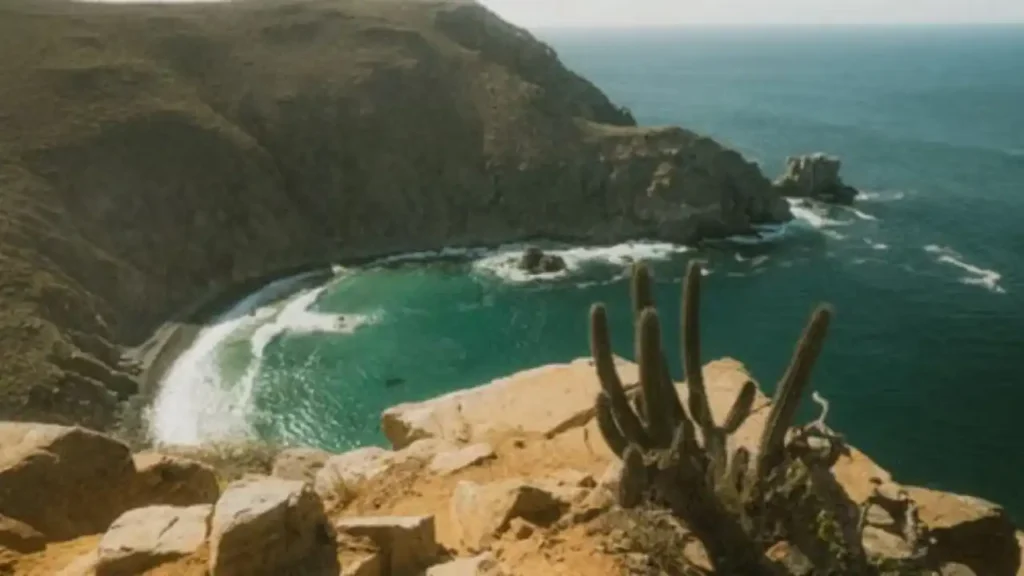
Located on the Sea of Cortez near La Paz, Balandra Beach (Playa Balandra) is often called “Mexico’s Maldives.” Tucked inside a circular, protected bay surrounded by red desert mountains and cardón cacti, Balandra features shallow, crystal-clear turquoise waters with virtually no waves.
Unique Features of Balandra Beach:
- The Mushroom Rock (El Hongo): Walk out to Balandra’s famous mushroom-shaped natural rock formation eroded over thousands of years by the sea.
- Walk Across the Bay: Because the water is so shallow, visitors can walk completely across the wide bay at low tide with the water barely reaching their knees.
- Strict Visitor Limits: To preserve its untouched beauty, local authorities limit entry to two daily shifts (morning and afternoon), capping visitor numbers. Arrive early to secure entry.
- Kayaking & Paddleboarding: Rent a kayak or stand-up paddleboard to explore surrounding mangrove forests and empty side coves.
4. Playa del Amor / Hidden Beach (Marietas Islands, Nayarit)
Located offshore from Puerto Vallarta and Sayulita in the Riviera Nayarit, the Hidden Beach (Playa del Amor) on the uninhabited Marietas Islands is one of Mexico’s most extraordinary natural wonders. Formed inside a gaping hole in a volcanic island cave, this secret sandy beach is completely invisible from the open ocean.
How to Visit the Hidden Beach:
- Swim Through the Tunnel: Accessible only at low tide, visitors must put on life jackets and helmets and swim through a 50-foot natural marine tunnel to reach the hidden beach inside the cavern.
- Eco-Protection Limits: Access is strictly regulated by the Mexican government to protect marine wildlife. Only a limited number of permitted tour operators can visit per day, and stays on the beach are limited to 15–20 minutes.
- Book Months Ahead: Tours to the Hidden Beach sell out far in advance.
5. Lover’s Beach & Divorce Beach (Cabo San Lucas)
Situated at Land’s End (El Arco) on the southern tip of the Baja California Peninsula, Lover’s Beach (Playa del Amor) sits dramatically where the calm Sea of Cortez meets the wild Pacific Ocean. Framed by towering granite rock formations, it is one of the most recognized iconic views in Los Cabos.
Highlights at Land’s End:
- Water Taxi Access: Take a glass-bottom boat or water taxi from Medano Beach or the Cabo San Lucas marina to reach Lover’s Beach, passing sea lion colonies along the way.
- Lover’s Beach vs. Divorce Beach: Walk across the narrow sand bar from Lover’s Beach (facing the calm Sea of Cortez, safe for swimming) to Divorce Beach (Playa del Divorcio), facing the open Pacific Ocean.
- Caution Warning: Swimming at Divorce Beach is strictly prohibited due to massive crashing waves, powerful undertows, and dangerous rip currents.
6. Punta Mosquito & Isla Holbox Beaches (Isla Holbox, Quintana Roo)
Located off the northern coast of the Yucatán Peninsula, Isla Holbox is a sleepy, car-free island where sandy dirt roads are traveled by golf carts and bicycles. The island’s northern coast features endless stretches of calm, shallow water and wide sandbars.
Top Highlights on Isla Holbox:
- Punta Mosquito Sandbar Walk: Walk out onto shallow, knee-deep sandbars that stretch for miles along the coast, where you can often spot flocks of wild pink flamingos feeding in the shallows.
- Bioluminescent Waters: On dark, moonless nights between July and October, visit the island’s southern beaches to witness marine plankton glowing blue in the water when disturbed.
- Relaxed Island Life: Swing in wooden ocean hammocks set right in the shallow water while enjoying fresh street tacos and cold coconuts.
7. Sayulita & San Pancho (Riviera Nayarit)
For travelers seeking golden sands, Pacific ocean surf, and bohemian culture, Sayulita is a colorful coastal hub located an hour north of Puerto Vallarta. Backed by lush jungle-covered hills, this vibrant surf town blends traditional Mexican heritage with international arts, yoga, and night markets.
Highlights of the Riviera Nayarit Surf Coast:
- Surfing Breaks: Sayulita’s main beach features consistent, forgiving waves that make it one of Mexico’s premier places to take surf lessons.
- San Pancho (San Francisco): Head 10 minutes north to neighboring San Pancho for a wider, quieter stretch of golden sand, sunset beach bonfires, and a laid-back village atmosphere.
- Jungle Coast Hikes: Hike along coastal jungle trails connecting Sayulita to quiet, hidden beaches like Playa Malpaso.
8. Playa Zipolite & Mazunte (Oaxaca)
Located along the rugged, sun-drenched Pacific coast of Oaxaca, Zipolite and Mazunte offer an alternative to high-end resorts. Zipolite is famous as Mexico’s first and only officially clothing-optional beach, attracting backpackers, surfers, and travelers seeking a rustic, free-spirited atmosphere.
Highlights of the Oaxacan Coast:
- Golden Sands & Ocean Waves: Relax on wide, expansive beaches framed by dramatic rocky headlands and glowing Pacific sunsets.
- Mazunte Sea Turtle Center: Visit neighboring Mazunte, a eco-friendly “Pueblo Mágico” town home to the Mexican Turtle Center (Centro Mexicano de la Tortuga), dedicated to sea turtle conservation.
- Punta Cometa Sunset: Hike up to Punta Cometa, the southernmost tip of Oaxaca, to watch dramatic 360-degree ocean sunsets alongside locals and travelers gathering nightly.
9. Playa Maroma (Riviera Maya, Quintana Roo)
Tucked away between Cancún and Playa del Carmen, Playa Maroma is frequently celebrated as one of the most beautiful beaches in the world. Owned largely by private eco-resorts, this pristine stretch features powdery white sand, turquoise waters, and a offshore coral reef keeping the bay calm.
Why Visit Playa Maroma:
- Exclusive Resort Luxury: Home to top-tier luxury resorts and Mexico’s iconic overwater bungalows (El Dorado Maroma), offering private beach access away from public crowds.
- Snorkeling & Diving: Explore the Mesoamerican Barrier Reef (the second-largest coral reef system in the world) located just off the shoreline.
- Camel Rides & Water Sports: Enjoy guided beach camel rides, jet-skiing, or deep-sea fishing excursions departing directly from Maroma Marina.
10. Bahías de Huatulco (Oaxaca)
Located along southern Oaxaca’s coast, Huatulco consists of 9 pristine bays (Bahías) containing 36 individual beaches, backed by the lush Huatulco National Park. Huatulco is international recognized for its green eco-certifications, sustainable development, and clean marine environments.
Top Highlights in Huatulco:
- Bay Boat Tours: Take a full-day catamaran cruise to hop between remote, roadless bays like Bahía de Cacaluta and Bahía de San Agustín.
- Calm Swimming & Snorkeling: Unlike much of the wild Pacific coast, Huatulco’s sheltered bays offer calm, clear, turquoise waters ideal for swimming and snorkeling.
- Bahía de Santa Cruz: Visit Santa Cruz for family-friendly beach restaurants serving freshly caught red snapper (huachinango) right on the water.
Hidden Gems & Secret Beaches in Mexico
If you want to step off the major tourist paths, look for these secluded coastal secrets:
- Playa Chacahua (Oaxaca): Located inside Lagunas de Chacahua National Park, this isolated surf beach sits where a bioluminescent lagoon meets the Pacific Ocean.
- Isla Coronados (Loreto, Baja California Sur): A uninhabited volcanic island in the Gulf of California featuring blindingly white sand beaches, sea lion colonies, and turquoise waters.
- Yal-Ku Lagoon & Akumal (Quintana Roo): A calm, brackish natural inlet near Playa del Carmen where fresh cenote water mixes with the ocean, allowing you to swim alongside wild sea turtles and tropical fish.
- Playa Colomitos (Puerto Vallarta): A tiny, hidden jungle cove south of Puerto Vallarta, reachable via a scenic 40-minute hike through the coastal rainforest from Boca de Tomatlán.
Suggested Mexico Beach Itineraries
Choose your region based on the style of beach vacation you prefer:
Option A: The 7-Day Caribbean Turquoise Coast (Resorts, Ruins & Islands)
- Route: Cancún ➔ Isla Mujeres ➔ Tulum ➔ Isla Holbox
- Day 1–2: Arrive in Cancún, take a ferry to Isla Mujeres, and relax at Playa Norte.
- Day 3–4: Drive or transfer south to Tulum. Explore Playa Paraíso, visit the Mayan Ruins, and swim in jungle cenotes.
- Day 5–6: Head north to Chiquilá port; take the ferry to car-free Isla Holbox. Walk out to Punta Mosquito sandbars.
- Day 7: Return to Cancún International Airport (CUN) for departure.
Option B: The 7-Day Baja Desert & Sea of Cortez Route (Nature & Ocean Marvels)
- Route: Cabo San Lucas ➔ Todos Santos ➔ La Paz (Balandra Beach)
- Day 1–2: Arrive in Los Cabos. Take a water taxi to Lover’s Beach and El Arco.
- Day 3: Drive north up the Pacific coast to the surf town of Todos Santos.
- Day 4–6: Drive to La Paz. Spend mornings at Balandra Beach, and take a boat tour to swim with sea lions at Isla Espiritu Santo.
- Day 7: Depart via La Paz (LAP) or Los Cabos (SJD) Airport.
Essential Travel Tips for Mexico Beaches
Keep these practical tips in mind to ensure a safe, smooth, and enjoyable vacation:
1. Understanding Pacific vs. Caribbean Beaches
Mexico’s coasts offer completely different beach environments:
- Caribbean Coast (Cancún, Tulum, Holbox): Warm, clear turquoise waters, fine white sand, and calm waves. Ideal for swimming, snorkeling, and resort lounging.
- Pacific Coast & Baja (Cabo, Puerto Vallarta, Oaxaca): Deep blue waters, golden sands, dramatic mountains, and large ocean swells. World-class for surfing, whale watching, and sunsets, but many beaches have strong undertows unsafe for swimming. Always check safety flags.
2. Sargassum Seaweed Season (Caribbean Coast)
During summer months (typically May through August), the Caribbean coast of Mexico can experience influxes of sargassum (naturally occurring brown sea kelp washing ashore). If visiting during this time, consider islands like Isla Mujeres or Isla Holbox, which are often sheltered from seaweed due to their geographical orientation.
3. Reef-Safe Sunscreen & Marine Life Etiquette
- When swimming in natural cenotes or ocean reserves (like Balandra or Akumal), non-biodegradable sunscreens are often strictly prohibited.
- Use certified reef-safe, mineral-based sunscreen (zinc oxide) or wear UV long-sleeve rashguards to protect marine life.
4. Currency and Tipping
- Mexico uses the Mexican Peso (MXN / $).
- While high-end resorts accept credit cards, cash pesos are essential for small beach palapas, street tacos, longtail water taxis, and tipping beach attendants.
- Tipping: A tip of 10% to 15% is standard at beachside restaurants and bars.
Frequently Asked Questions (FAQ)
Which part of Mexico has the clearest blue water?
The Caribbean Coast (Quintana Roo), including Isla Mujeres (Playa Norte), Tulum, Cancún, and Cozumel, has the clearest, brightest turquoise blue water in Mexico. On the Pacific side, the calm bay of Balandra Beach in La Paz offers incredible turquoise clarity.
What is the best month for a Mexico beach trip?
December through April offers the best overall weather across Mexico, with sunny skies, warm ocean temperatures, low humidity, and minimal rainfall. This period is also peak season for whale watching in Baja and the Pacific.
Are all beaches in Mexico public?
Yes! Under Mexican federal law, all beaches in Mexico are public property. While private resorts can restrict access through their private hotel grounds, the actual sandy coastline up to the high-tide line is open for everyone to enjoy.
Final Thoughts: Start Planning Your Mexican Getaway
From the pristine white sands of the Riviera Maya to the wild, golden surf beaches of the Pacific and the tranquil blue lagoons of Baja California, Mexico’s coastlines offer an unmatched tropical paradise.
Which magnificent Mexican beach will be the first stop on your tropical getaway? Pack your swimsuit, grab your sunglasses, and start planning your ultimate beach vacation to Mexico today!