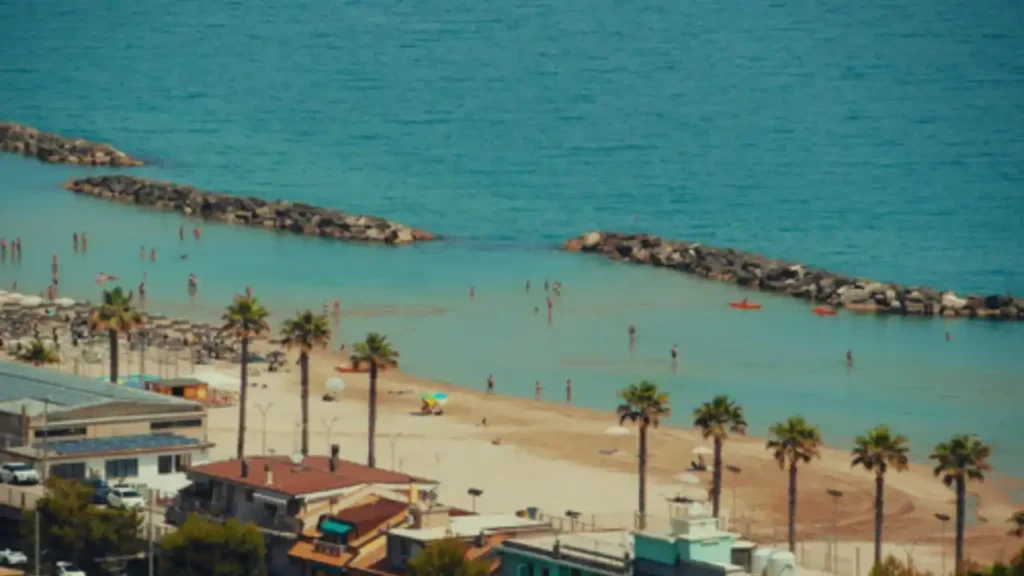
With over 4,700 miles (7,600 km) of coastline bordered by the Tyrrhenian, Adriatic, Ionian, and Ligurian seas, Italy offers some of the most spectacular beaches in Europe. From dramatic limestone cliffs falling into neon-blue waters in Sardinia to chic beach clubs tucked along the vertical coastline of the Amalfi Coast and powdery white sand dunes in Puglia, Italy’s coastal diversity is unmatched.
Whether you are looking for glamorous private beach lounges (stabilimenti balneari), wild nature reserves accessible only by foot or boat, or historic seaside towns where you can combine sunbathing with world-class Italian cuisine, Italy delivers an unforgettable summer escape.
If you are planning a Mediterranean vacation and wondering where to find the best water, this comprehensive guide covers the 10 best beaches in Italy, along with secret hidden coves, regional beach itineraries, and essential practical advice for navigating Italian beach culture.
Quick Overview: Top Italy Beaches
| Beach & Location | Best Known For | Vibe | Best For |
| Cala Goloritzé (Sardinia) | Limestone Needle Peak, Neon Blue Sea | Wild & Pristine | Hikers, Divers & Nature |
| Spiaggia dei Conigli (Sicily) | Shallow Turquoise Lagoon, Sea Turtles | Car-Free / Natural | Swimmers & Wildlife Lovers |
| Tropea (Calabria) | Cliffside Medieval Town, White Sand | Historic & Scenic | Couples & Photographers |
| Spiaggia Grande (Amalfi Coast) | Pastel Houses, Iconic Coastal Views | Chic & Glamorous | People Watching & Luxury |
| Pescoluse / Salento (Puglia) | White Sand Dunes, Shallow Waters | “Maldives of Italy” | Families & Beach Loungers |
| San Fruttuoso (Liguria) | 10th-Century Abbey Cove, Sea Statue | Secluded & Historic | Day Trips & History Buffs |
| Marina Piccola (Capri) | Faraglioni Rock Views, Emerald Bay | Glamorous & Retro | Celebrity Spotting & Views |
| Scala dei Turchi (Sicily) | White Marl Limestone Stairs | Unique Geology | Sightseeing & Sunbathing |
| Cala Rossa (Favignana, Sicily) | Quarried Turquoise Bay | Rugged & Dramatic | Snorkeling & Boat Trips |
| Chiaia di Luna (Ponza, Lazio) | Crescent Volcanic Cliff, Blue Water | Island Escape | Weekend Trips from Rome |
1. Cala Goloritzé & Cala Mariolu (Sardinia)
Located along the wild Gulf of Orosei on Sardinia’s east coast, Cala Goloritzé is widely considered one of Italy’s most breathtaking natural wonders. Designated a UNESCO National Monument, this pristine cove features striking neon-blue water, snow-white limestone pebbles, and a soaring 470-foot (143-meter) natural stone needle (Aguglia) towering over the beach.
Top Things to See and Do at Cala Goloritzé:
- Hike the Canyon Trail: Reach the beach via a scenic 1.5-hour downhill hike starting from the Su Golgo plateau, winding past ancient oak trees and limestone ravines.
- Swim Through the Stone Arch: Swim around the massive natural limestone arch projecting out into the crystal-clear Tyrrhenian Sea.
- Boat Access Rules: To preserve its wild nature, motorized boats are banned from docking directly on the shore. Boats must anchor 300 meters out, allowing swimmers to glide into the transparent waters.
- Cala Mariolu Side Trip: Rent a boat from Cala Gonone to visit neighboring Cala Mariolu, famous for its shallow turquoise swimming pools and smooth pinkish-white pebbles.
2. Spiaggia dei Conigli / Rabbit Beach (Lampedusa, Sicily)
Located on the remote island of Lampedusa situated south of Sicily closer to North Africa than mainland Italy Spiaggia dei Conigli (Rabbit Beach) is consistently voted among the best beaches in the world. This protected marine cove features blindingly white sand and calm, glowing turquoise waters that resemble a giant natural swimming pool.
Why Spiaggia dei Conigli is Famous:
- Loggerhead Sea Turtle Nesting: The beach is a protected nature reserve and one of the rare places in the Mediterranean where endangered Loggerhead sea turtles (Caretta caretta) return annually to lay their eggs.
- Wade Across to Rabbit Islet: The water in the bay is so shallow and calm that you can wade across the turquoise channel to the small rocky islet sitting in the middle of the cove.
- Controlled Access: To protect the delicate ecosystem, daily visitor numbers are capped during summer, requiring visitors to book a free entrance slot online prior to arrival.
3. Tropea & Coast of the Gods (Calabria)
Situated along Calabria’s western shore in southern Italy, Tropea sits atop a high volcanic cliff overlooking a broad stretch of powdery white sand and shimmering turquoise sea. The dramatic town is backed by historic palaces and built directly on the cliff’s edge, offering one of the most stunning coastal vistas in the country.
Top Highlights in Tropea:
- Santa Maria dell’Isola: Visit the picturesque medieval monastery set atop a rocky promontory sticking out into the sea right next to the main beach.
- Coast of the Gods (Costa degli Dei): Rent a boat to explore nearby hidden bays, sea caves, and snorkelling spots along this 34-mile coastal stretch.
- Calabrian Gastronomy: Taste Tropea’s famous sweet red onions (Cipolla Rossa di Tropea), spicy spreadable ‘Nduja pork sausage, and freshly caught swordfish at seaside trattorias.
4. Spiaggia Grande & Fiordo di Furore (Amalfi Coast)
No beach list is complete without the world-famous Amalfi Coast. Spiaggia Grande in Positano is the vibrant, glamorous heart of southern Italy’s cliffside coastline, where rows of colorful sun loungers face pastel-hued houses cascading down the mountainside.
Highlights of the Amalfi Coast Beaches:
- Positano’s Spiaggia Grande: Rent a lounger at an exclusive stabilimento balneare (beach club), order a Spritz, and enjoy world-class people-watching framed by dramatic coastal mountains.
- Fiordo di Furore: Located a short drive down the coast, this dramatic narrow fjord is spanned by a high arched bridge where a tiny pebble beach sits tucked between sheer vertical rock walls.
- Fornillo Beach: Take a scenic cliffside walking path around the headland from Positano to reach Fornillo Beach, a quieter, more relaxed alternative to Spiaggia Grande.
5. Pescoluse & Baia dei Turchi (Puglia)
Located in the sunny “heel” of Italy’s boot, the Salento region of Puglia boasts some of the cleanest, clearest sea waters in Europe. Pescoluse, affectionately nicknamed “The Maldives of Salento” (I Maldive del Salento), features miles of fine white sand dunes, wild lilies, and shallow turquoise sea that stays calm for hundreds of feet offshore.
Top Experiences in Puglia’s Coastline:
- Baia dei Turchi (Otranto): Walk through a fragrant pine forest near Otranto to reach a secluded crescent bay framed by white chalk cliffs and clear emerald water.
- Grotta della Poesia (Cave of Poetry): Located nearby in Roca, jump off 15-foot limestone ledges into a breathtaking, natural turquoise sinkhole connected to the open sea.
- Authentic Beach Culture: Sample fresh Pugliese seafood like crudo (raw sea urchins and fish), burrata cheese, and crisp local Fiano white wine right on the beach.
6. San Fruttuoso & Monterosso (Liguria / Italian Riviera)
Located along the rugged coast of Liguria in northwestern Italy, San Fruttuoso is a hidden cove dominated by a magnificent 10th-century Benedictine abbey (Abbazia di San Fruttuoso) sitting directly on the pebble beach.
Unique Highlights of San Fruttuoso:
- Accessible Only by Foot or Boat: With no roads leading to the bay, visitors reach San Fruttuoso by taking a ferry from Portofino or hiking through the pine forests of the Portofino Regional Park.
- Christ of the Abyss: Scuba dive or snorkel to view a famous 8-foot (2.5-meter) bronze statue of Jesus Christ submerged 50 feet underwater in the bay to protect sailors and divers.
- Monterosso al Mare (Cinque Terre): For a classic resort beach nearby, visit Monterosso al Mare, the only village in the iconic Cinque Terre featuring a expansive sandy beach lined with classic orange-and-blue umbrellas.
7. Marina Piccola & Faraglioni (Capri)
Located on the southern side of the jet-set island of Capri, Marina Piccola is a historic pebbled bay sheltered by steep limestone walls. It offers front-row views of the island’s famous Faraglioni three massive oceanic rock stacks jutting out of the sea.
What Makes Marina Piccola Special:
- Ancient Myth: According to Roman legend and Homer’s Odyssey, Marina Piccola was the bay where sirens seductively sang to tempt Odysseus.
- Scogli delle Sirene: Sunbathe on the rocky outcrops protruding into the clear emerald sea.
- Sipping Cocktails: Experience classic Italian retro glamour by renting sun loungers at historic beach establishments like La Fontelina or Da Gioia.
8. Scala dei Turchi (Realmonte, Sicily)
Located on the southern coast of Sicily near Agrigento, the Scala dei Turchi (Stair of the Turks) is a world-unique geological wonder. This dazzling, pure-white marl limestone cliff has been eroded over centuries into a giant natural staircase slanting gently down into the bright blue Mediterranean Sea.
Highlights of Scala dei Turchi:
- Striking Contrast: The contrast between the blinding white limestone rock, deep blue ocean, and golden sandy beaches creates a photographer’s dream landscape.
- Nearby Greek Ruins: Combine your beach visit with a tour of the nearby Valley of the Temples in Agrigento, home to some of the best-preserved ancient Greek temples outside of Greece.
- Sunset Spot: Watch the white limestone cliffs turn brilliant shades of pink and orange as the sun sets over the Mediterranean.
9. Cala Rossa (Favignana, Egadi Islands, Sicily)
Located off the western coast of Sicily near Trapani, Favignana is the largest of the Egadi Islands. The crown jewel of this sleepy, bicycle-friendly island is Cala Rossa (Red Cove), a wild bay formed inside an ancient, abandoned limestone quarry.
Why Visit Cala Rossa:
- Unreal Water Color: The water here is so transparent that boats anchored in the bay appear to be floating on air over white seabed sands.
- Snorkeling Haven: Explore rock formations, underwater caves, and sea life swimming through old carved quarry walls.
- Explore by Bicycle: Rent an electric bicycle in Favignana port to easily explore Cala Rossa along flat, scenic coastal paths.
10. Chiaia di Luna (Ponza, Lazio)
Located halfway between Rome and Naples, the volcanic island of Ponza is a favorite weekend escape for Romans in the know. Its flagship sight is Chiaia di Luna (Moon’s Bay), a dramatic crescent-shaped beach backed by a vertical, 300-foot half-moon wall of pale yellow volcanic tufa rock.
Highlights of Ponza and Chiaia di Luna:
- Dramatic Boat Views: While falling rock hazards have restricted walking access on the sand itself, taking a boat tour around the island allows you to swim in the intense blue waters right under the towering cliff face.
- Frontone Beach: Take a 5-minute water taxi from Ponza harbor to Frontone Beach, the island’s lively social hub packed with sunbeds, lounge bars, and evening DJ sets.
- Grottos of Pilate: Snorkel through ancient Roman saltwater fish pools hand-carved directly into sea caves over 2,000 years ago.
Hidden Gems & Secret Beaches in Italy
If you want to escape the summer crowds, look for these secluded coastal secrets:
- Cala Coticcio (Caprera, Sardinia): Nicknamed “Tahiti” for its brilliant turquoise sea, this secluded cove requires a guided hike through the granite rocks of the Maddalena Archipelago.
- Arco Magno (Calabria): A hidden lagoon enclosed by a massive natural stone sea arch, accessible by a steep cliff trail or pedal boat from San Nicola Arcella.
- Baia delle Zagare (Puglia): A dramatic bay in the Gargano National Park featuring white limestone sea stacks rising out of green-blue waters, backed by high pine cliffs.
- Spiaggia delle Due Sorelle (Le Marche): Located on the Adriatic coast near Ancona, this untouched pebble beach is framed by twin white sea cliffs accessible only by boat from Sirolo.
Suggested Italian Beach Itineraries
Choose your region based on the type of beach vacation you desire:
Option A: The 7-Day Sardinian Turquoise Coast (Wild Nature & Beaches)
- Route: Olbia ➔ San Teodoro ➔ Gulf of Orosei ➔ La Maddalena Archipelago
- Day 1–2: Arrive in Olbia. Relax on the white sands of La Cinta beach in San Teodoro.
- Day 3–4: Base yourself in Cala Gonone. Rent a boat to explore Cala Goloritzé, Cala Mariolu, and Cala Luna.
- Day 5–6: Drive north to Palau; take a ferry to La Maddalena Island. Take a boat tour to Cala Coticcio on Caprera.
- Day 7: Return to Olbia Airport (OLB) for departure.
Option B: The 7-Day Southern Italy & Amalfi Dreams (Glitz, History & Coast)
- Route: Naples ➔ Positano (Amalfi Coast) ➔ Capri ➔ Tropea (Calabria)
- Day 1–3: Arrive in Naples, travel down to Positano. Relax at Spiaggia Grande and take a boat to Fiordo di Furore.
- Day 4: Take a 30-minute hydrofoil ferry to Capri. Sunbathe at Marina Piccola under the Faraglioni rocks.
- Day 5–6: Take a train or drive south into Calabria to explore the cliffside beaches of Tropea.
- Day 7: Depart via Lamezia Terme Airport (SUF).
Essential Travel Tips for Italian Beaches
Keep these practical travel tips in mind to navigate Italian beach culture smoothly:
1. Understanding Stabilimenti Balneari vs. Spiaggia Libera
Italian beaches are divided into two main categories:
- Stabilimenti Balneari (Private Beach Clubs): Concession operators manage sections of the beach, offering rows of sun loungers (lettini), umbrellas (ombrelloni), changing rooms, showers, and restaurants. Expect to pay between €20 to €100+ per day for a pair of loungers and an umbrella depending on location. Book online weeks in advance for summer months.
- Spiaggia Libera (Free Public Beach): Open, free sections of sand where you can lay down your own towel and umbrella. Look for green signs indicating Spiaggia Libera.
2. When is the Best Time to Visit Italy’s Beaches?
- Peak Season (July – August): Weather is hot, dry, and ideal for swimming. However, beaches are densely packed, prices double, and mid-August brings Ferragosto (Italy’s national summer holiday), when the entire country heads to the coast.
- Shoulder Season (June & September): The absolute best time to visit. Warm sea temperatures, sunny weather, lower rates, and manageable crowds.
3. Pack Water Shoes
Many of Italy’s most famous beaches (especially along the Amalfi Coast, Liguria, and Capri) are made of smooth pebbles, gravel, or rocky platforms rather than soft sand. Bring a pair of rubber water shoes to easily walk across hot stones and sea ledges.
4. Coastal Driving & ZTL Zones
Driving along narrow coastal roads like the Amalfi Coast or narrow island lanes can be stressful. Beware of ZTL Zones (Zona a Traffico Limitato—restricted traffic zones in historic coastal towns) to avoid steep automated camera fines.
Frequently Asked Questions (FAQ)
Which region in Italy has the absolute best beaches?
Sardinia is universally recognized as having Italy’s (and Europe’s) best overall beaches, offering Caribbean-like water clarity, white sand, and wild limestone scenery. For historic coastal charm and luxury, the Amalfi Coast and Capri excel, while Puglia offers the best long, flat sandy beaches.
Do you have to pay to go to the beach in Italy?
No. By Italian law, access to the sea is free, and every municipality must provide sections of Spiaggia Libera (free public beach). However, the premier central sections of popular beaches are often managed by private beach clubs where you pay to rent loungers and umbrellas.
What is the warmest sea temperature month in Italy?
Sea temperatures peak in August and early September, averaging between 25°C to 28°C (77°F to 82°F) across the Tyrrhenian and Ionian seas.
Final Thoughts: Start Planning Your Italian Summer
From the dramatic cliffs of the Amalfi Coast and the wild neon-blue coves of Sardinia to the white sand dunes of Puglia, Italy’s coastlines offer an unmatched blend of natural beauty, historic culture, and seaside luxury.
Which sun-drenched Italian beach will be the first stop on your Mediterranean escape? Grab your sunglasses, pack your water shoes, and start planning your ultimate trip to Italy today!