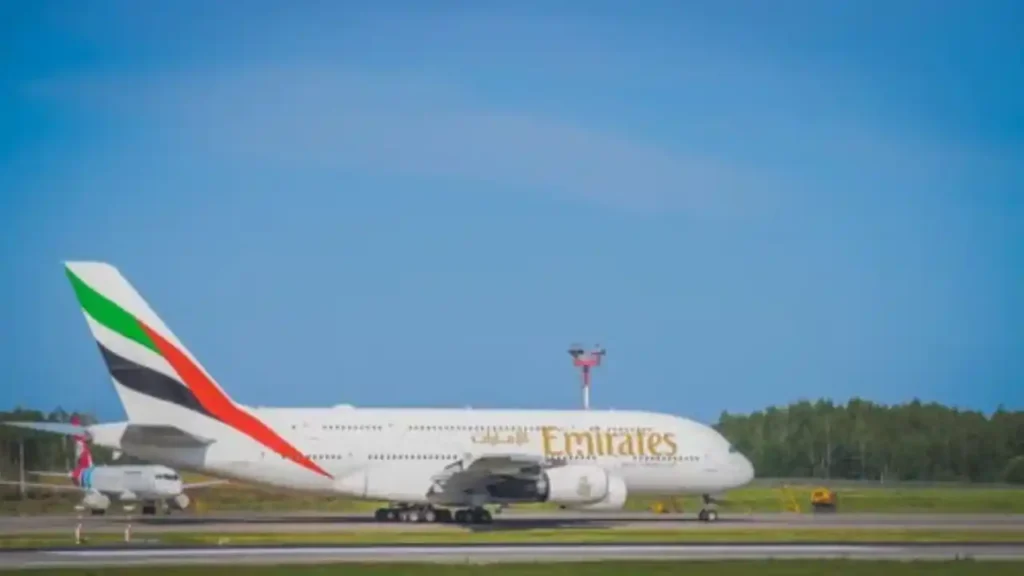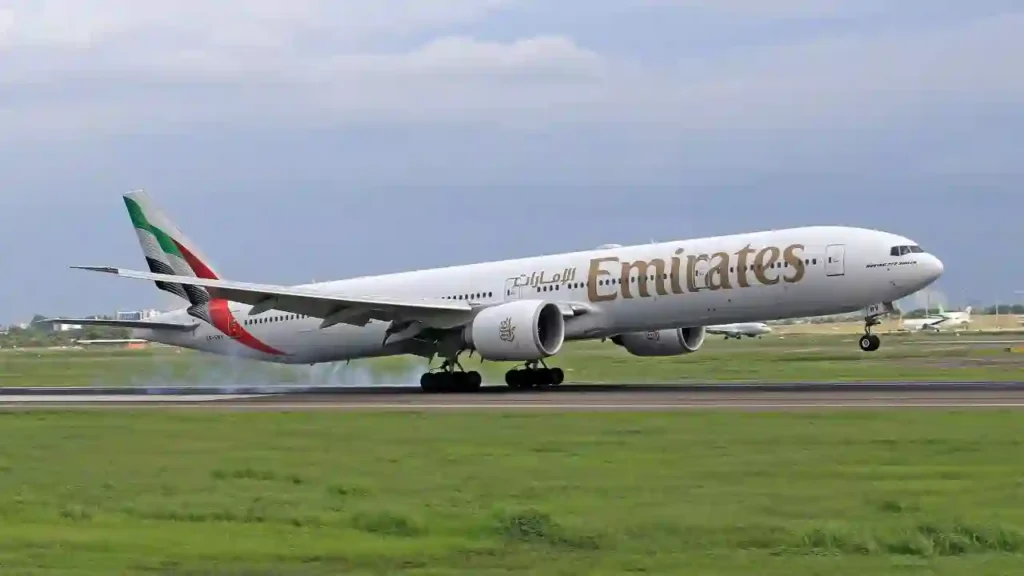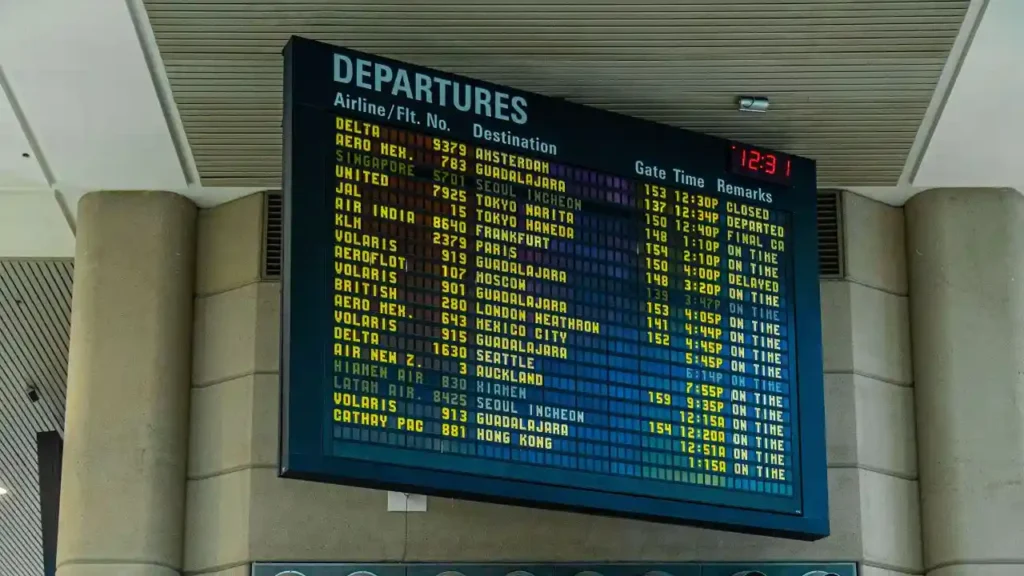
Air travel across the East Coast ground to a near-standstill on Friday as severe summer thunderstorms battered the New York metropolitan area. Heavy downpours, lightning, and gusty winds forced federal aviation regulators to enact sweeping ground stops across major tri-state hubs, resulting in hundreds of flight cancellations and thousands of widespread travel delays.
Ground Stops Enacted at JFK, LaGuardia, and Newark
The Federal Aviation Administration issued temporary ground stops and severe traffic management restrictions at John F. Kennedy International Airport, LaGuardia Airport, and Newark Liberty International Airport as intense storm cells swept through the region. High winds with gusts reaching 60 mph, torrential rain, and low visibility rendered air traffic conditions unsafe, forcing ground controllers to hold departing aircraft at gates and delay inbound flights.
At JFK alone, tracking systems logged hundreds of canceled flights alongside hundreds more delayed, with aircraft held on taxiways for hours waiting for departure clearance. At Newark and LaGuardia, average arrival and departure delays stretched past two hours, with taxi and gate hold times escalating rapidly throughout the afternoon and evening as thunderstorms lingered overhead.
Flash Flooding Warnings and Regional Disruption
The aviation chaos coincided with severe weather warnings issued by the New York City Emergency Management Department, which cautioned residents and travelers of potential flash flooding across major thoroughfares and low-lying areas. Heavy rainfall totals caused localized street flooding, further complicating travel for passengers trying to reach or leave regional terminals.
The cascading effects quickly rippled across the national airspace system. Major airlines including United, Delta, and American issued weather travel waivers for passengers flying into or out of the New York area, allowing travelers to reschedule affected itineraries without penalty or fare differences.
A Strained Airspace Struggles to Recover
Aviation officials warned that the impacts of Friday’s storm system would extend into the weekend as airlines work to reposition aircraft and crews stranded by ground stops. Flight crews reaching maximum operational hour limits created additional staffing bottlenecks, compounding the challenge for carriers attempting to clear massive backlog queues across Northeast corridors.
Passengers traveling through East Coast hubs are advised to monitor flight status updates closely on mobile apps before departing for the airport, as rolling delays and gate adjustments continue while airlines reset their operations.